Non-emergency Ambulance Medical Transport Services
Non-emergency medical transportation (NEMT) services play a critical role in healthcare accessibility, ensuring that patients who need medical care can reach their appointments safely and reliably. Unlike ambulance services designed for urgent situations, NEMT provides scheduled transportation for individuals who require medical assistance but are not experiencing life-threatening emergencies. These services bridge a crucial gap in healthcare delivery, particularly for elderly patients, individuals with disabilities, and those without access to reliable transportation.
Understanding how non-emergency medical transport works, who benefits from these services, and what to expect can help patients and caregivers make informed decisions about their healthcare transportation needs. As healthcare continues to evolve in 2026, NEMT services remain an essential component of comprehensive patient care and medical appointment adherence.
What Is Non-Emergency Ambulance Medical Transportation?
Non-emergency medical transportation encompasses specialized transport services designed for patients who need assistance traveling to and from medical appointments, treatments, or procedures. These services cater to individuals who may have mobility limitations, chronic conditions, or medical equipment needs that make standard transportation options impractical or unsafe.

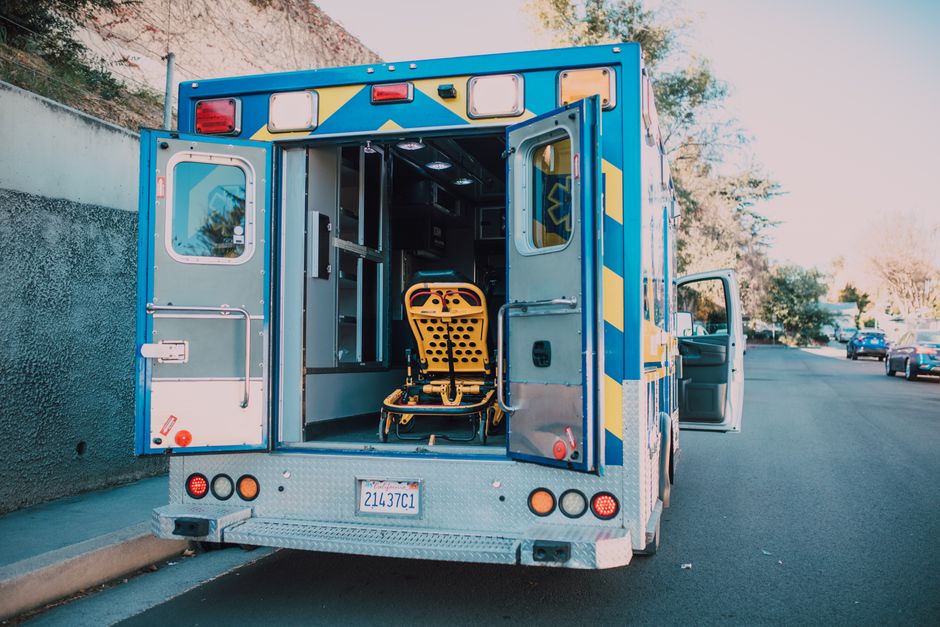
NEMT vehicles are equipped to accommodate various patient needs, including wheelchair accessibility, stretcher transportation, and oxygen tank support. The drivers and attendants typically receive specialized training to assist patients with boarding, securing medical equipment, and ensuring comfort throughout the journey. Unlike emergency ambulance services that respond to urgent medical crises, NEMT operates on a scheduled basis, allowing patients to book rides in advance for routine medical care.
These services fill a vital niche in the healthcare ecosystem by reducing missed appointments, improving treatment adherence, and ultimately contributing to better health outcomes. For many patients, reliable transportation is the difference between receiving necessary medical care and going without treatment.
Who Benefits from NEMT Ambulance Services?
Non-emergency medical transport services serve diverse populations with varying healthcare transportation needs. Elderly patients frequently rely on NEMT to attend regular medical appointments, especially when they no longer drive or live far from healthcare facilities. These services provide peace of mind for both patients and their families, knowing that trained professionals will ensure safe transport.
Individuals with disabilities represent another significant user group. Patients who use wheelchairs, walkers, or other mobility aids often find conventional transportation inadequate for their needs. NEMT vehicles with wheelchair lifts, ramps, and proper securing systems make medical appointments accessible to those who might otherwise face transportation barriers.
Patients undergoing dialysis, chemotherapy, or radiation therapy benefit substantially from scheduled NEMT services. These treatments occur regularly and can leave patients feeling weak or unwell, making it unsafe for them to drive themselves. Similarly, individuals recovering from surgery or managing chronic conditions that affect their ability to operate vehicles safely depend on these services to maintain their treatment schedules.
Medicaid recipients in many states have access to NEMT services as part of their healthcare coverage, recognizing that transportation should not be a barrier to medical care. This ensures that vulnerable populations can access preventive care, specialist appointments, and essential treatments regardless of their personal transportation options.
Types of NEMT Vehicles and Services
Non-emergency medical transport providers operate various vehicle types to accommodate different patient needs and medical conditions. Wheelchair-accessible vans represent the most common NEMT vehicle, equipped with hydraulic lifts or ramps that allow patients in wheelchairs to board safely. These vehicles feature secure tie-down systems to keep wheelchairs stable during transport.

Ambulatory vehicles serve patients who can walk but may need some assistance getting in and out of the vehicle. These typically resemble standard vans or sedans but are operated by drivers trained in patient assistance and basic medical awareness. Stretcher vans provide transportation for patients who must remain lying down during transport, offering a middle ground between ambulance services and standard NEMT.
Some NEMT services specialize in bariatric transportation, using vehicles and equipment designed to safely transport patients with higher weight requirements. These specialized services ensure dignity and safety for all patients, regardless of size or physical condition.
Additional features may include oxygen supply compatibility, climate control for temperature-sensitive patients, and even multi-passenger capabilities for group medical appointments at facilities like dialysis centers. The variety of NEMT options ensures that virtually any non-emergency medical transportation need can be accommodated appropriately.
Scheduling and Using NEMT Services
Accessing non-emergency medical transport typically begins with advance scheduling, often requiring 24 to 48 hours’ notice, though some providers accommodate shorter timeframes. Patients or caregivers contact the NEMT provider directly, or in cases where insurance covers the service, through a designated transportation broker who coordinates rides with approved providers.
When scheduling, patients should provide detailed information including pickup location, destination, appointment time, and any special needs such as wheelchair access, oxygen requirements, or the need for a companion to accompany them. Accurate information ensures the appropriate vehicle and trained personnel are assigned to each transport request.
On the day of service, NEMT drivers typically arrive within a specified pickup window and assist patients as needed. Professional drivers understand the importance of punctuality for medical appointments and plan routes accordingly, accounting for traffic conditions and any special requirements. Many services offer door-to-door assistance, helping patients from their residence to the vehicle and from the vehicle into the medical facility.
After appointments conclude, patients contact their NEMT provider to arrange return transportation. Some services automatically schedule return trips based on estimated appointment durations, while others require patients to call when ready for pickup. Clear communication between patients and providers ensures smooth, stress-free transportation experiences.
Cost Considerations and Insurance Coverage
The cost of non-emergency medical transportation varies based on distance, vehicle type, level of assistance required, and regional pricing differences. Patients may pay per trip, through subscription services for regular transport needs, or have costs covered partially or fully by insurance programs.
Medicaid programs in most states cover NEMT services as a mandatory benefit, recognizing that transportation access directly impacts health outcomes. Medicare traditionally offers more limited NEMT coverage, typically only for ambulance services deemed medically necessary, though Medicare Advantage plans may provide broader transportation benefits. Private insurance coverage for NEMT varies significantly by plan and provider, with some offering transportation assistance as an additional benefit.
For patients paying out-of-pocket, many NEMT providers offer package deals or membership programs that reduce per-trip costs for frequent users. Veterans may access transportation benefits through VA healthcare programs, while some community organizations and non-profits provide subsidized or free NEMT services for eligible individuals.
Understanding coverage options and comparing providers helps patients make cost-effective decisions while ensuring their transportation needs are met reliably. Discussing transportation concerns with healthcare providers or insurance representatives can reveal available benefits that patients might not know they have.
The Impact of NEMT on Healthcare Outcomes
Research consistently demonstrates that reliable transportation significantly impacts healthcare utilization and patient outcomes. When patients can consistently attend medical appointments, they experience better disease management, improved medication adherence, and fewer emergency room visits for preventable complications. This connection between transportation and health makes NEMT services an important public health consideration.
For chronic disease management, regular medical monitoring proves essential. Patients with conditions like diabetes, heart disease, or kidney disease require frequent appointments to adjust treatments, monitor progression, and prevent complications. NEMT services ensure these patients maintain their care schedules even when personal transportation isn’t available.
Preventive care access also improves with reliable transportation options. Routine screenings, vaccinations, and wellness visits help detect health issues early when they’re most treatable. While resources like CDC physical activity guidelines emphasize the importance of regular healthcare engagement for maintaining overall wellness, transportation barriers can prevent patients from accessing these essential services.
The psychological benefits of dependable medical transportation shouldn’t be overlooked. Knowing that reliable, safe transportation is available reduces anxiety about upcoming medical appointments and encourages patients to seek care promptly rather than delaying until conditions worsen. This proactive approach to healthcare contributes to better long-term health outcomes and reduced healthcare system costs.
Conclusion
Non-emergency medical transportation services represent a vital healthcare support system that ensures patients can access the medical care they need regardless of personal transportation limitations. From wheelchair-accessible vans to stretcher transport options, NEMT providers accommodate diverse patient needs with professionalism and specialized training. These services particularly benefit elderly patients, individuals with disabilities, and those undergoing regular treatments who require reliable, scheduled transportation to maintain their healthcare routines.
As healthcare continues to recognize the importance of addressing social determinants of health in 2026, transportation access remains a priority concern. Whether covered by Medicaid, Medicare Advantage plans, private insurance, or paid out-of-pocket, NEMT services bridge the gap between patients and the medical care that keeps them healthy. By understanding available options, scheduling procedures, and coverage possibilities, patients and caregivers can make informed decisions that ensure consistent access to essential healthcare services.