
Non-emergency Stretcher Transport Guide
Non-emergency stretcher transport provides essential mobility services for patients who require medical supervision during transit but are not experiencing a life-threatening emergency. This specialized transportation service bridges the gap between emergency ambulance services and standard wheelchair-accessible vehicles, ensuring safe and comfortable transport for individuals with specific medical needs.
What Is Non-Emergency Stretcher Transport?
Non-emergency stretcher transport, also known as medical stretcher transportation or non-urgent medical transport, refers to the professional conveyance of patients who must remain in a recumbent position during travel. Unlike emergency ambulance services that respond to acute medical crises, this service operates on a scheduled basis for patients whose conditions require them to lie flat or who cannot sit upright for extended periods.
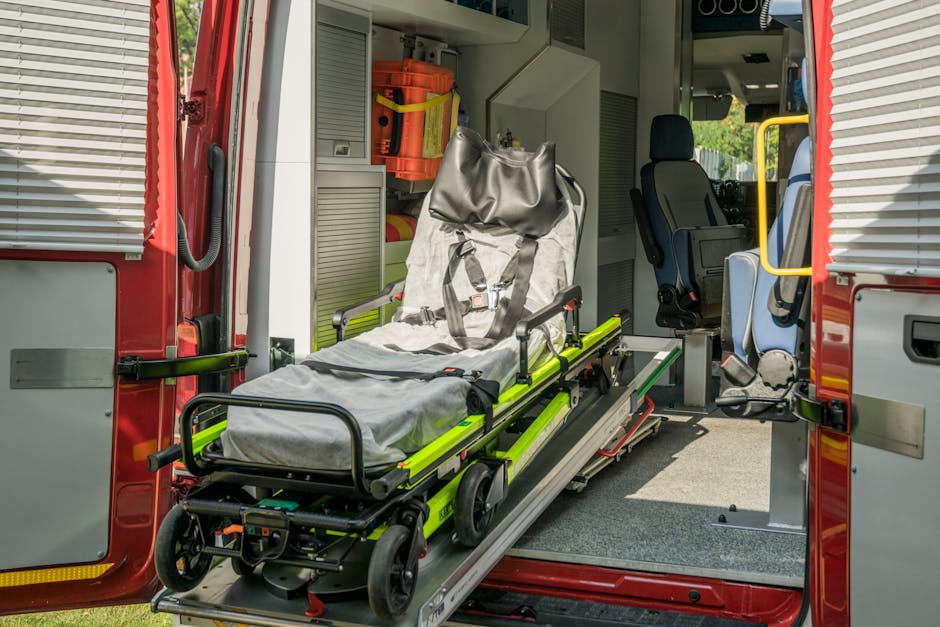
This transportation method is particularly valuable for individuals recovering from surgery, those with severe mobility limitations, patients undergoing ongoing treatment, or anyone whose medical condition necessitates continuous monitoring during transit. The vehicles used are specially equipped with medical-grade stretchers, safety restraints, oxygen supplies, and other essential equipment to ensure patient comfort and safety throughout the journey.
Who Needs Non-Emergency Stretcher Transportation?
Several patient populations benefit from non-emergency stretcher transport services. Understanding who qualifies for this service helps healthcare providers, patients, and families make informed decisions about transportation needs.

Post-surgical patients frequently require stretcher transport when being discharged from hospitals or transferred between medical facilities. Patients recovering from major orthopedic procedures, cardiovascular surgery, or other significant interventions may not be able to sit upright safely during transport.
Individuals with severe mobility impairments who cannot transfer to a wheelchair or maintain a seated position benefit significantly from stretcher services. This includes patients with advanced neurological conditions, severe arthritis, or debilitating weakness.
Dialysis patients who experience extreme fatigue or complications during treatment may require stretcher transport to and from dialysis centers. While many dialysis patients can use wheelchair-accessible vehicles, those with additional complications often need the enhanced support that stretcher transport provides.
Patients undergoing radiation or chemotherapy sometimes experience side effects that make sitting uncomfortable or unsafe. Stretcher transport ensures these individuals can attend crucial treatment appointments without compromising their comfort or medical stability.
Hospice and palliative care patients often require gentle, comfortable transportation for medical appointments, family visits, or transfers to care facilities. Stretcher transport offers the dignity and comfort these individuals deserve during difficult times.
Key Features and Medical Equipment
Non-emergency stretcher transport vehicles are equipped with specialized medical equipment and staffed by trained personnel to ensure safe, comfortable journeys. Understanding these features helps patients and caregivers know what to expect.
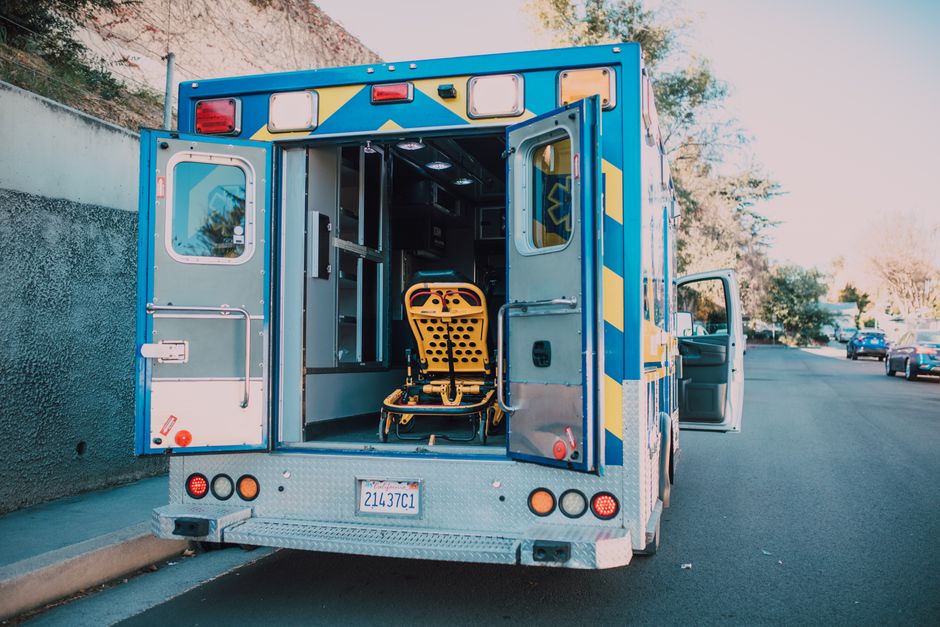
The stretchers themselves are medical-grade equipment designed for patient safety and comfort. They feature adjustable positions, secure restraint systems, and smooth suspension to minimize discomfort during transport. Many stretchers can be raised or lowered hydraulically, making transfers easier and safer for both patients and medical staff.
Oxygen systems are standard equipment in stretcher transport vehicles, providing supplemental oxygen when needed. These systems include multiple tank sizes and delivery methods, ensuring patients maintain appropriate oxygen saturation throughout their journey.
Monitoring equipment allows transport personnel to track vital signs during transit. Depending on the patient’s needs, this may include blood pressure monitors, pulse oximeters, and cardiac monitors that provide real-time information about the patient’s condition.
Climate control systems maintain appropriate temperature and humidity levels, which is particularly important for patients with compromised immune systems or temperature regulation issues. Proper ventilation ensures air quality throughout the journey.
The vehicles are staffed by trained medical professionals, typically Emergency Medical Technicians (EMTs) or paramedics, who can respond to medical needs during transport while providing compassionate care. These professionals are trained in patient handling, medical monitoring, and emergency response protocols.
Scheduling and Planning Your Transport
Proper planning ensures smooth, stress-free non-emergency stretcher transport. Understanding the scheduling process helps patients, families, and healthcare facilities coordinate effectively.
Most transport services require advance notice, typically 24 to 48 hours, though many can accommodate shorter timeframes when necessary. When scheduling, provide detailed information about the patient’s medical condition, mobility limitations, required equipment, and any special considerations.
Documentation requirements usually include a physician’s order or prescription for stretcher-level transport, medical records relevant to the transport, insurance information, and contact details for both the pickup and destination facilities. Having these documents prepared in advance streamlines the process.
Communicate specific needs clearly when scheduling. If the patient requires oxygen, IV medication continuation, special positioning, or has specific comfort needs, inform the transport company during booking. This ensures they arrive with appropriate equipment and staffing.
Plan for adequate time windows, especially for medical appointments. Non-emergency transport services strive for punctuality, but factors like traffic, weather, and previous transport delays can affect timing. Building buffer time into schedules reduces stress for all parties involved.
Insurance Coverage and Costs
Understanding the financial aspects of non-emergency stretcher transport helps patients and families plan accordingly and avoid unexpected expenses.
Medicare covers non-emergency stretcher transport when medically necessary, meaning the patient’s condition requires transport by stretcher and no other form of transportation is appropriate. A physician’s certification of medical necessity is typically required for coverage approval.
Medicaid programs in many states also cover non-emergency medical transportation, including stretcher services, though coverage specifics vary by state. Contact your state’s Medicaid office to understand what services are covered and what documentation is required.
Private insurance policies vary considerably in their coverage of non-emergency medical transport. Some plans cover these services comprehensively, while others may require prior authorization, limit the number of transports, or apply specific deductibles and copayments. Review your policy details or contact your insurance provider directly for accurate information.
Out-of-pocket costs vary based on distance traveled, level of medical care required during transport, wait times, and geographic location. When insurance doesn’t cover the service, transport companies typically provide cost estimates upfront, allowing patients to make informed decisions.
Safety and Comfort Considerations
Safety is paramount in non-emergency stretcher transport, with multiple protocols ensuring patient wellbeing throughout the journey. Transport personnel follow strict infection control procedures, including vehicle sanitization between patients, use of personal protective equipment, and proper handling of medical waste.
Proper patient positioning and securing prevents injury during transport. Trained staff assess each patient’s specific needs, adjusting stretcher positioning for optimal comfort while maintaining safety. Secure restraint systems prevent patient movement during vehicle operation without restricting breathing or circulation.
Communication remains essential throughout the transport process. Professional transport teams maintain contact with receiving facilities, update family members as requested, and ensure patients understand what to expect during their journey. This transparency reduces anxiety and builds trust.
For patients with cognitive impairments or anxiety, transport personnel employ calming techniques and clear communication to ensure a positive experience. Many services accommodate family members or caregivers who wish to ride along, providing additional comfort for patients.
While maintaining patient comfort is important, individuals seeking guidance on physical activity and health during recovery should consult with their healthcare providers to develop appropriate activity plans.
Conclusion
Non-emergency stretcher transport serves a vital role in the healthcare continuum, enabling patients with significant mobility limitations or medical needs to access essential care safely and comfortably. By understanding what these services offer, who benefits from them, and how to arrange transport effectively, patients, families, and healthcare providers can ensure seamless transitions between care settings. Whether facilitating post-operative recovery, enabling ongoing treatment access, or supporting palliative care needs, professional stretcher transport services provide the specialized care and equipment necessary for safe patient conveyance. When medical conditions require more than standard transportation but less than emergency services, non-emergency stretcher transport offers the perfect solution, combining medical expertise with compassionate care to meet diverse patient needs.