
How to Arrange Ambulance Transport for Elderly
As our loved ones age, transportation to medical appointments becomes increasingly challenging. Whether it’s due to mobility issues, cognitive decline, or the inability to drive safely, seniors often require specialized medical transport services. Understanding the available options and how to arrange them can significantly reduce stress for both elderly individuals and their families while ensuring timely access to essential healthcare services.
Understanding AmbulanceTransport Options for Seniors
Medical transport for elderly individuals comes in several forms, each designed to meet different levels of need. Non-emergency medical transportation (NEMT) is the most common service, providing wheelchair-accessible vehicles and trained drivers for routine appointments. Ambulatory transport services cater to seniors who can walk but need assistance getting to and from appointments. For more urgent situations that don’t require emergency services, wheelchair vans and stretcher transport provide safe conveyance for those with limited mobility.
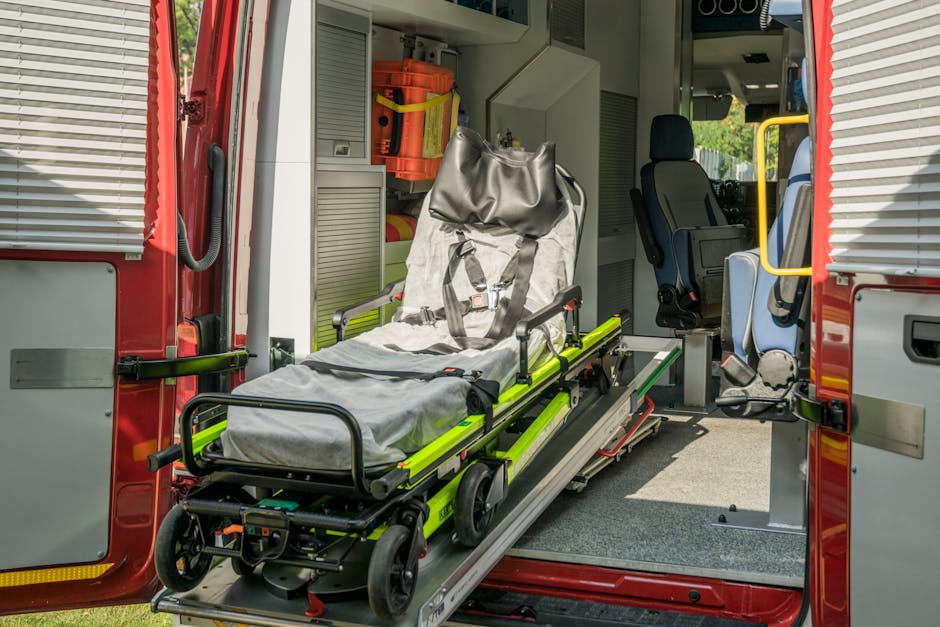
Understanding which type of service your loved one needs is the first step in arranging appropriate transportation. Consider factors such as their mobility level, medical equipment requirements, and whether they need assistance entering and exiting the vehicle. Many seniors require door-through-door service rather than just curb-to-curb pickup, especially if they use walkers or wheelchairs.
Evaluating Your Elderly Loved One’s Transportation Needs
Before arranging medical transport, conduct a thorough assessment of your loved one’s specific requirements. Document their mobility limitations, including whether they use a wheelchair, walker, or cane. Note any medical conditions that might affect transportation, such as oxygen dependency, recent surgeries, or cognitive impairments that require additional supervision.

Consider the distance and frequency of medical appointments. Regular dialysis treatments, cancer treatments, or physical therapy sessions may require consistent, scheduled transportation services. Create a calendar of upcoming appointments to determine whether you need a one-time service or an ongoing transportation arrangement. According to research from healthcare organizations like the American College of Sports Medicine, maintaining regular medical care is crucial for elderly health management, making reliable transportation essential.
Also evaluate the senior’s comfort level with different transportation options. Some elderly individuals may feel anxious riding with strangers, while others appreciate the social interaction. Understanding these preferences helps ensure a positive transportation experience.
Finding and Vetting Medical Transport Providers
Start your search by contacting your loved one’s health insurance provider or Medicare plan. Many insurance plans cover NEMT services for eligible beneficiaries, though specific requirements and coverage limits vary. Medicaid typically offers more comprehensive NEMT coverage than Medicare, which generally requires enrollment in an Advantage plan for transportation benefits.

Local Area Agencies on Aging can provide lists of reputable medical transport providers in your region. Hospital social workers and discharge planners also maintain databases of trusted transportation services and can offer recommendations based on specific needs. Many medical facilities have partnerships with transport companies, potentially offering streamlined scheduling.
When evaluating providers, verify their credentials and insurance coverage. Reputable companies should have proper licensing, liability insurance, and vehicle inspections up to date. Ask about driver training, particularly regarding elderly care and assistance. Request references from other families who have used their services, and check online reviews for patterns of reliable or problematic service.
Booking and Scheduling Medical Transportation
Once you’ve selected a provider, understand their booking requirements and procedures. Most medical transport services require 24-48 hours advance notice, though some offer same-day service for urgent appointments. Provide complete information when scheduling, including the pickup address, destination, appointment time, and any special needs like wheelchair accessibility or oxygen equipment.
Confirm the estimated pickup time, understanding that medical transport often operates within a window rather than at an exact time. Ask about the provider’s policy for wait times at medical facilities—many services will wait for appointments up to a certain duration or return for pickup at a scheduled time. Clarify pricing structures, including any additional fees for waiting time, wheelchair assistance, or companion riders.
Create a confirmation system for scheduled trips. Request written confirmation via email or text message, and add appointments to your calendar with reminders. Maintain a contact list with the transport company’s phone number, your booking reference number, and backup transportation options in case of cancellations.
Preparing Your Loved One for Medical Transport
Proper preparation ensures smooth transportation experiences. Help your elderly loved one gather necessary items before the transport arrives, including identification, insurance cards, medication lists, and any medical equipment needed for the appointment. If your loved one has cognitive impairment, prepare a card with their name, address, destination, and emergency contact information.
Ensure the pickup location is accessible and clearly marked. If picking up from a residence, make sure the path from the door to the vehicle is clear of obstacles. For apartment or assisted living pickups, provide specific instructions about which entrance to use and any access codes required. The CDC emphasizes maintaining mobility in older adults, so whenever possible, encourage seniors to walk short distances to and from vehicles if they’re physically able.
Dress your loved one appropriately for the weather and in comfortable, easy-to-manage clothing. If they use mobility aids, ensure these are readily available. For seniors with anxiety about transportation, consider accompanying them on the first few trips to provide reassurance and establish familiarity with the service.
Managing Costs and Insurance Coverage
Medical transport costs vary widely based on distance, service level, and regional pricing. Understanding payment options and potential coverage can help manage expenses. Medicare Part B covers emergency ambulance transportation and, in limited cases, non-emergency transport when other transportation endeavors health. Medicare Advantage plans often provide broader NEMT benefits as supplemental coverage.
Medicaid typically offers the most comprehensive NEMT coverage for eligible individuals, often at no out-of-pocket cost. Contact your state’s Medicaid office to understand specific benefits and approved providers. Private insurance plans vary significantly in transportation coverage, so review policy documents or speak with a representative about available benefits.
For those paying out-of-pocket, request detailed pricing information upfront. Some providers offer package deals for regular, recurring appointments that reduce per-trip costs. Veteran’s Affairs benefits may cover transportation for eligible veterans. Additionally, many community organizations, religious groups, and volunteer driver programs offer free or low-cost transportation assistance for seniors.
Keep detailed records of all transportation expenses, as they may be tax-deductible as medical expenses if they exceed certain thresholds. Save receipts and maintain a log of dates, purposes, and costs for tax preparation.
Conclusion
Arranging medical transport for elderly loved ones requires careful planning, research, and coordination, but it’s essential for maintaining their health and quality of life. By understanding the available options, thoroughly vetting providers, and preparing both logistically and financially, you can ensure your senior family member receives safe, reliable transportation to vital medical appointments. Remember that transportation needs may change over time as health conditions evolve, so regularly reassess and adjust arrangements as necessary. With the right medical transport solution in place, elderly individuals can maintain their independence while accessing the healthcare they need to thrive in their later years.