
Ambulance Transport for Dialysis Appointments
For patients undergoing regular dialysis treatment, reliable transportation is not just a convenience—it’s a lifeline. With most dialysis patients requiring treatment three times per week, and sessions lasting three to five hours each, arranging consistent transport becomes a critical component of managing kidney disease. Understanding the available transportation options and resources can significantly reduce stress and help patients maintain their treatment schedule without interruption.
Understanding the Transportation Challenge
Dialysis patients face unique transportation challenges that distinguish their needs from routine medical appointments. The frequency of treatments means patients must secure reliable transport multiple times each week, often for years. Many dialysis patients experience physical limitations including fatigue, weakness, low blood pressure, and dizziness following treatment, making it unsafe or impractical to drive themselves home.

The financial burden of transportation can also be substantial. Patients traveling to dialysis centers may accumulate thousands of miles annually, with fuel costs, vehicle wear, or taxi fares creating significant financial strain on top of already substantial medical expenses. Furthermore, treatment schedules are often inflexible, requiring transportation that accommodates early morning or specific time slots, which can complicate arrangements with family members or traditional transport services.
Recognizing these challenges is the first step toward finding sustainable solutions that ensure patients can consistently access the life-sustaining treatment they require.
Medicare and Medicaid Transportation Benefits
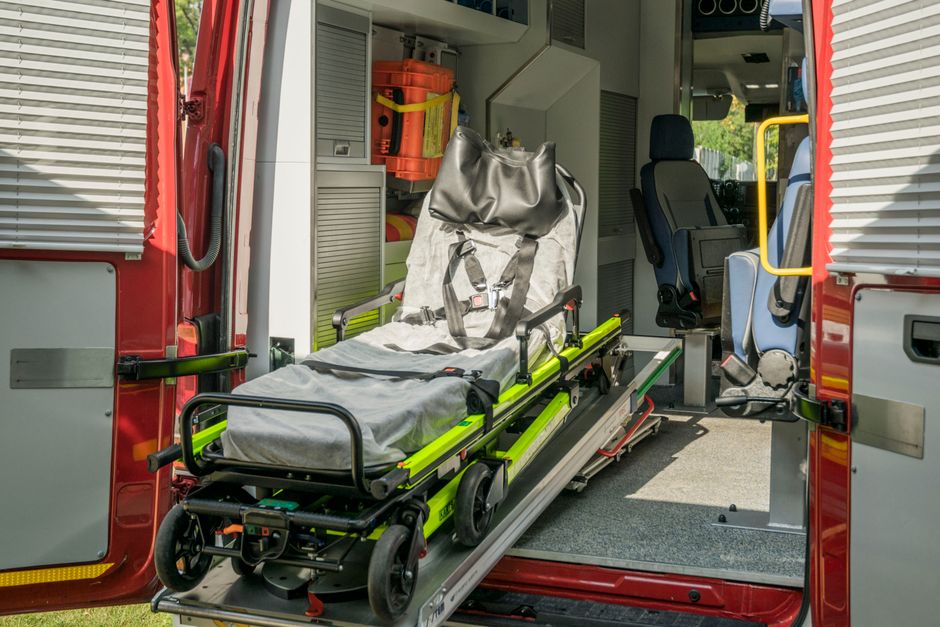
Many dialysis patients qualify for transportation assistance through government programs. Medicare, which covers the majority of dialysis patients in the United States, includes limited transportation benefits under specific circumstances. Medicare Part B may cover ambulance transportation when other forms of transport could endanger the patient’s health. However, routine non-emergency transportation typically falls outside standard Medicare coverage.

Medicaid, on the other hand, provides more comprehensive non-emergency medical transportation (NEMT) benefits. Every state Medicaid program must ensure beneficiaries can access necessary medical services, including dialysis appointments. Coverage varies by state but generally includes transportation via taxi, wheelchair van, stretcher van, or public transit reimbursement. Eligible patients should contact their state Medicaid office or managed care plan to understand specific benefits and the process for arranging rides.
Some Medicare Advantage plans offer supplemental benefits that include transportation to dialysis appointments. These plans may provide a certain number of rides per month to approved medical facilities. Patients enrolled in Medicare Advantage should review their plan documents or contact their insurer to determine what transportation benefits may be available.
Dialysis Facility Transportation Programs
Many dialysis centers recognize that transportation barriers can lead to missed treatments and worse health outcomes. As a result, numerous facilities have developed their own transportation assistance programs or partnerships with transportation providers. Some large dialysis chains offer shuttle services that pick up patients from designated locations or their homes, transporting groups to and from treatment sessions.
These facility-sponsored programs vary widely in availability and may depend on factors such as geographic location, facility size, and patient volume. Some centers provide this service free of charge, while others may require a nominal fee or copayment. Urban dialysis centers are more likely to offer group transportation options due to higher patient density, whereas rural facilities may need to explore alternative solutions.
Patients should inquire with their dialysis social worker about transportation assistance during their initial intake or whenever transportation becomes a concern. Social workers serve as invaluable resources, helping patients navigate available options and connect with appropriate services based on individual circumstances and eligibility.
Community and Volunteer Transportation Services
Beyond government programs and facility-sponsored options, community organizations often provide transportation assistance for medical appointments. Local chapters of national organizations such as the American Kidney Fund sometimes offer emergency transportation grants to help dialysis patients who face temporary transportation crises.
Faith-based organizations, senior centers, and volunteer driver programs in many communities provide free or low-cost transportation for medical appointments. These services typically rely on volunteer drivers using their personal vehicles and may require advance scheduling, sometimes several days ahead. While these programs can be valuable resources, availability may be limited, and they may not accommodate the frequent, recurring nature of dialysis appointments as reliably as other options.
Rideshare programs specifically designed for healthcare access have emerged in recent years. These services connect volunteer drivers with patients needing medical transportation, often through coordinating organizations that handle scheduling, driver screening, and liability considerations. Some programs focus specifically on serving low-income or elderly patients with chronic conditions requiring frequent treatment.
Local United Way chapters can often provide information about transportation resources available in a specific community. Calling 211 in most areas connects individuals with a comprehensive database of social services, including medical transportation assistance programs.
Private Transportation Options
For patients who don’t qualify for government assistance or need more flexible scheduling, private transportation options remain available. Non-emergency medical transportation (NEMT) companies specialize in transporting individuals to medical appointments and can accommodate various mobility needs, including wheelchair accessibility.
These private NEMT services typically charge per trip or offer monthly subscription packages for frequent travelers. Costs vary based on distance, special accommodation requirements, and regional pricing structures. While more expensive than subsidized options, private services often provide greater scheduling flexibility and door-to-door service.
Standard rideshare services like Uber and Lyft have expanded to include healthcare-focused options in some markets. These services may partner directly with healthcare facilities or insurance companies to provide scheduled, billable transportation. Some dialysis centers have established accounts with rideshare companies, allowing them to arrange transportation on behalf of patients and bill appropriately.
Traditional taxi services remain an option, though typically represent one of the more expensive choices for regular dialysis transportation. Some taxi companies offer medical transportation programs with discounted rates for frequent users or patients with financial need.
Maximizing Independence Through Physical Activity
While arranging reliable transportation is essential, maintaining physical capability and independence remains equally important for dialysis patients. Research consistently shows that regular physical activity can improve outcomes for dialysis patients, potentially enhancing stamina and reducing complications that might further limit transportation options.
The CDC provides physical activity guidelines that can be adapted for individuals with chronic kidney disease, though patients should always consult their nephrologist before beginning any exercise program. Even gentle activity appropriate for individual capability levels can help maintain the physical function necessary for navigating transportation logistics, whether that means walking to a pickup location or managing the physical demands of traveling to appointments.
Dialysis patients who maintain their physical abilities within safe parameters may find they have more transportation options available to them and experience less fatigue during travel. This contributes to better treatment adherence and overall quality of life while managing kidney disease.
Conclusion
Securing reliable transportation for dialysis appointments requires planning, persistence, and knowledge of available resources. From government programs and facility-sponsored services to community organizations and private options, multiple pathways exist to help patients access life-sustaining treatment. Starting with Medicare or Medicaid benefits, consulting with dialysis social workers, exploring community resources, and considering private alternatives when necessary creates a comprehensive approach to solving transportation challenges.
As kidney care continues to evolve in 2026, increasing attention to social determinants of health, including transportation access, is helping more patients overcome barriers to consistent dialysis treatment. By proactively addressing transportation needs and utilizing available resources, dialysis patients can focus on their health rather than the logistics of reaching their next appointment, ultimately supporting better outcomes and improved quality of life. For instance, sometimes patients need patient transport services for hospital discharge after a stay related to complications from their treatment.