
Urban areas can be vibrant and bustling, but for those relying on wheelchair transportation, the journey can be filled with obstacles. Navigating these cities requires not only physical mobility but also understanding and overcoming various challenges that can make transportation more difficult. In this blog post, we’ll explore key considerations for wheelchair users in urban settings and discuss ways to improve access and ease of travel.
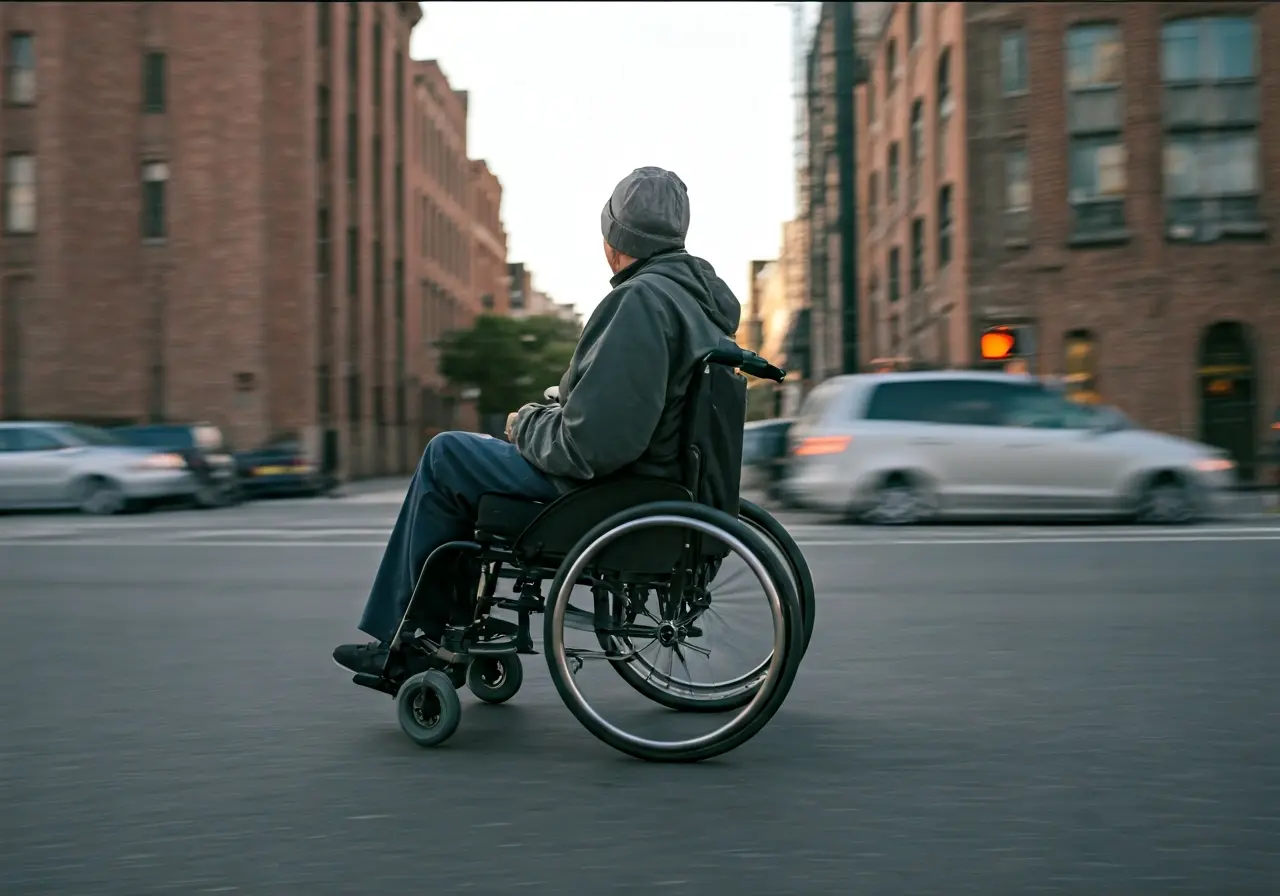
Understanding the Landscape of Urban Transportation
Urban areas often come with unique transportation systems, from buses to subways. This section will discuss how these systems cater to or neglect the needs of wheelchair users.
Many cities have made strides in integrating accessibility into their public transport. However, even the best systems can fall short in certain areas. For instance, some buses have designated spaces for wheelchair users, yet many drivers fail to adhere to proper boarding protocols. This inconsistency can create anxiety and frustration for users who are often left helpless at bus stops, waiting for a vehicle that meets their needs. Accessibility must be standardized across the board to truly serve the community.
Moreover, subway systems can pose a different set of challenges. Not all stations are equipped with elevators or ramps, meaning some wheelchair users may find themselves stuck or forced to take lengthy detours. Understanding the layout and accessibility of each station becomes an essential part of planning any journey. Wheelchair users often rely on information from maps and apps, but outdated data can lead to further complications. As cities grow and evolve, so too must their transportation systems.
Ultimately, embracing a holistic approach to urban transportation design, which includes input from wheelchair users and advocates, can pave the way for a more inclusive environment. It’s crucial that municipalities actively seek and apply feedback in order to create user-centric transit solutions.
Common Barriers Faced by Wheelchair Users
From inaccessible sidewalks to unreliable public transport options, let’s delve into the major obstacles that wheelchair users encounter in urban environments.
Inaccessible sidewalks are one of the most prevalent issues. Many urban areas boast beautiful tree-lined boulevards but often lack proper curb cuts or smooth pathways. Such barriers can create insurmountable challenges for wheelchair users. If a sidewalk is cracked or uneven, it transforms a simple outing into a precarious journey filled with potential hazards. Local governments must prioritize maintenance and upgrades to ensure that sidewalks are both safe and accessible for everyone.
Another significant hurdle arises from inadequate public transport schedules. A lack of timely transit options can make planning difficult, forcing users to either wait indefinitely or rely on taxis that may not be fully accessible. This unpredictability can be daunting, particularly for those who have appointments or need to travel efficiently. Understanding these barriers is the first step toward addressing them; only then can we create a smoother transportation experience.
Safety is also a crucial concern. Wheelchair users often feel vulnerable due to the inadequate training of personnel in emergency procedures or even everyday assistance. When an emergency arises — like a bus that suddenly stops or a subway door that closes unexpectedly — the lack of training can leave users at a disadvantage. Ensuring that all transport staff receive comprehensive disability training is vital for fostering a safer environment.
The Importance of Community Awareness
Creating awareness among community members about the challenges faced by wheelchair users is essential. This section will explore how education and empathy can drive change.
Community awareness is the bedrock of advocacy. When people are informed about the hurdles that wheelchair users face, they are often moved to take action. Compassionate outreach initiatives, such as workshops or informational sessions, can help bridge the gap between awareness and empathy. Understanding someone else’s challenges can transform public perception and reinforce the need for inclusive infrastructure.
Community-driven efforts to educate the public empower individuals to become advocates themselves, thereby strengthening outreach. Every story shared creates a ripple effect that can lead to significant change.
Moreover, social media is an incredible tool for building awareness. Many organizations leverage platforms to share impactful stories, statistics, and educational content about wheelchair transportation. The more visibility these voices have, the broader their reach can become. Online campaigns can solicit support for local initiatives aimed at improving accessibility, and this creates an avenue for residents to engage in discussions that matter.
In essence, fostering a culture of understanding through awareness is not just idealistic; it’s a practical necessity. When communities unite in pursuit of inclusivity, it leads to greater understanding and ultimately better mobility experiences for everyone.
Innovative Solutions for Better Accessibility
Various cities are implementing innovative solutions, such as mobile apps and accessible ride-sharing services. Here, we highlight some examples that are transforming wheelchair transportation.
One noteworthy solution is the rise of smartphone applications designed specifically for disabled users. These apps can provide real-time information about accessible routes, identify nearby accessible vehicles, and even notify drivers about a passenger’s wheelchair needs ahead of time. Tech-driven solutions are proving to be game-changers for many, making it much easier to navigate the complexities of urban environments. Local governments and organizations should collaborate with tech firms to expand these resources.
Accessible ride-sharing platforms are also gaining traction. Companies like Uber and Lyft have introduced options for riders with disabilities, allowing them to select vehicles that accommodate wheelchairs. This flexibility can drastically improve transportation options and remove the uncertainty that often accompanies traditional public transport. It is encouraging to see the private sector take initiative in providing inclusive services, yet a unified effort with public transport systems will create the strongest impact.
In addition to technology, urban design is also evolving to meet the needs of its users. Innovations such as ‘mobility hubs’ are becoming popular; these hubs act as integrated centers where different types of transport — buses, bikes, and ride-shares — come together. By creating seamless transitions between various modes of transport, cities can offer wheelchair users a smoother experience, thereby promoting greater independence.
Advocating for Policy Change
Policy plays a critical role in ensuring accessible transportation. This section discusses how advocates can push for better regulations and funding for accessible infrastructure.
Advocacy for policy change is more crucial now than ever. Organizations dedicated to disability rights work tirelessly to influence local governments to prioritize accessibility in their transportation planning. By lobbying for stricter regulations and proper funding, advocates help elevate the conversation around wheelchair transportation to a level that demands attention. Policies must be based on thorough research and input from affected communities to ensure that the changes made effectively address real needs.
Moreover, establishing partnerships between private companies and public agencies can yield substantial benefits. Collaborative efforts can provide the necessary resources to implement long-lasting change, such as upgrading existing infrastructure or retrofitting older transport options to become accessible. Advocates must also create platforms that encourage public engagement, enabling individuals to voice their needs and challenges.
Finally, staying informed about policy changes nationwide allows advocates to draw lessons from successful initiatives in other cities. The road to accessibility is a complex one, but with informed advocates incorporating innovative and collaborative strategies, we can work towards a unified goal: seamless mobility for wheelchair users.
Personal Stories: Real Experiences in Urban Transportation
Hearing from those who navigate urban areas daily can shed light on both the triumphs and tribulations faced by wheelchair users. We’ll share a few inspiring stories that highlight resilience and community.
One user shared a heartwarming experience when a stranger offered to help her navigate an unusually steep hill. This community spirit showcases how small acts of kindness can create a barrier-free experience, turning an everyday challenge into a positive encounter. When individuals unite to support each other, the challenges of mobility become much lighter to bear.
On the flip side, another story highlights the frustration of waiting for a bus that never arrived, along with the isolation it can cause. This user stresses the importance of reliability within public transport systems, noting that lapses can profoundly affect one’s day-to-day life and mental well-being. Such narratives help underscore the urgency in addressing current shortcomings.
Overall, these personal stories remind us of the urgent need for ongoing advocacy and innovation in accessibility. Every story is a testament to the resilience of wheelchair users and a call to action for society to do better. By actively sharing experiences, we can continue to build a more accessible and empathetic world.
Empowering Change in Urban Mobility
By understanding the challenges of wheelchair transportation in urban areas and advocating for better infrastructure and services, we can work towards a more inclusive environment for all. Awareness, community support, and informed choices can significantly enhance mobility and accessibility for wheelchair users.