
Navigating transportation options can be daunting, especially for individuals who rely on wheelchair accessibility. In this blog, we’ll tackle some of the most common questions surrounding wheelchair accessible transportation, providing clear and helpful answers to make your travel experience smoother.
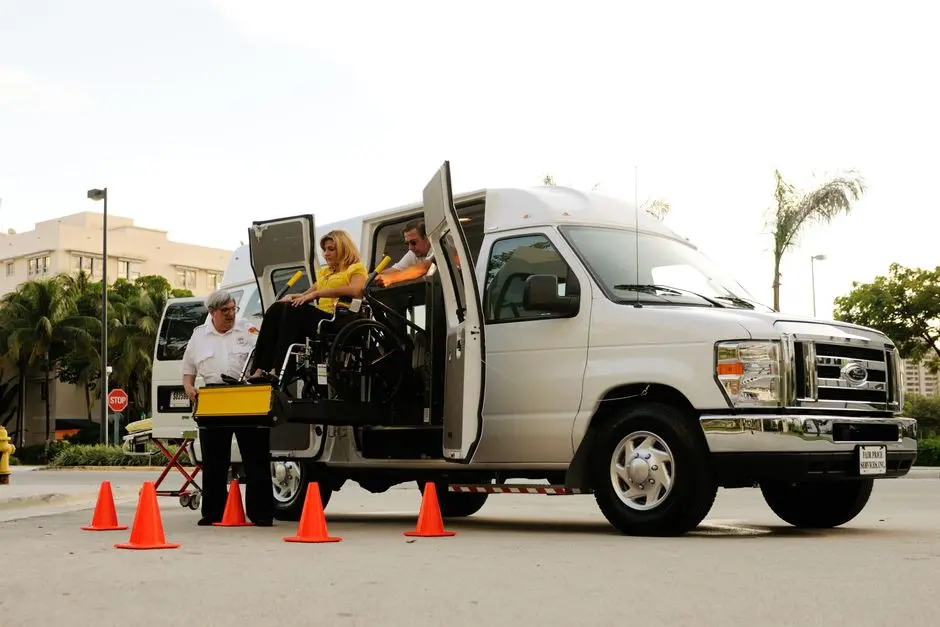
1. What is Wheelchair Accessible Transportation?
Wheelchair accessible transportation refers to any transport services specifically designed to accommodate individuals who use wheelchairs, ensuring their mobility needs are met.
These services range from public buses fitted with ramps to specialized vans that are equipped to handle various forms of mobility aids. In essence, the goal is to provide a seamless experience for individuals with disabilities, allowing them to navigate their surroundings with ease and confidence.
Understanding the different types of accessible transportation helps demystify the options available. For instance, some vehicles include features like lifts or automated doors, which can significantly enhance the travel experience. This knowledge is vital for users and their caregivers, who often need to plan every aspect of their trip meticulously.
2. Why is Accessibility Important in Public Transport?
Accessibility in public transport is crucial as it provides equal opportunities for individuals with disabilities to travel freely, enhancing their independence and participation in society.
Consider the impact of being able to access jobs, recreational activities, and community resources—these are doors that open wide when transport is accessible. Public transport that accommodates everyone fosters inclusion and sends a powerful message: that every person has the right to mobility, regardless of their physical abilities.
Moreover, when public transport systems prioritize accessibility, it encourages more people to use these services. This shift not only lightens the load on our roads but contributes to a more eco-friendly environment. Thus, increasing accessibility is not just about meeting legal requirements; it’s about embracing a culture of inclusivity.
3. How Do I Know if a Vehicle is Wheelchair Accessible?
Identifying wheelchair accessible vehicles typically involves checking for features like ramps, wider doorways, and securement systems for wheelchairs.
In addition to these physical characteristics, it’s also beneficial to familiarize yourself with specific symbols signifying accessibility. For example, many vehicles display a wheelchair symbol indicating they are designed for easy entry and use by those in wheelchairs. Understanding these signs can save you time and energy when finding suitable transportation.
Another consideration is to read customer reviews and check with service providers about their wheelchair accessibility. Reliable companies will often provide detailed descriptions of their vehicles, including dimensions and features specifically created for wheelchair users.
4. Are Wheelchair Accessible Taxis Available Everywhere?
While many cities offer wheelchair accessible taxis, availability can vary. It’s best to check local services in advance to confirm their options.
In addition, some regions have dedicated dispatch services that specialize in accessible taxi options. By reaching out to these services before needing a ride, you can ease the stress of traveling, ensuring that a properly equipped vehicle will be waiting for you.
Furthermore, keep in mind that not all taxis are created equal. The standards for accessibility can differ widely depending on the company’s policies and the regulations in your area. Hence, it’s wise to not only ask whether a taxi is wheelchair accessible but also inquire about the features it offers.
5. What Types of Accessible Transportation are Offered by Public Transit?
Public transit may offer accessible buses, trains, and vans, often equipped with features such as low floors and designated seating areas for individuals with disabilities.
Accessibility features in public transit extend beyond just the vehicles themselves; many stations are designed with easy access in mind, providing elevators and tactile guidance systems. This holistic approach creates an overall environment that welcomes everyone, ensuring that regardless of mobility challenges, public transport remains a viable option.
Additionally, some public transit systems have dedicated staff trained to assist passengers with special needs. Whether you require guidance during boarding or assistance with securing your wheelchair, help is often available. Knowing these services exist can enhance your travel experience significantly.
6. Can I Use Rideshare Services if I am in a Wheelchair?
Yes, many rideshare services now feature wheelchair accessible vehicle options, designed to adequately accommodate passengers using wheelchairs.
When booking a rideshare, be sure to select the option explicitly labeled as accessible. This ensures that you’ll be matched with a vehicle equipped with the proper amenities, such as a ramp or lift, tailored to meet your specific needs.
It’s also a good idea to communicate with your driver upon arrival. A quick chat can help clarify any concerns about accessing the vehicle and ensure a smoother transition. Rideshare services are continually evolving, aiming to cater to more passengers, so keep an eye out for updates that might enhance accessibility in the future.
7. What Should I Do if I Encounter an Accessibility Issue?
If you face an accessibility issue, it’s important to report it to the transportation authority or service provider immediately to advocate for necessary improvements.
Not only does this help to address your specific concern, but it also contributes to a larger conversation about accessibility in transportation. Each report can help shape policies, improve services, and create a more inclusive environment for everyone.
Additionally, consider reaching out to advocacy groups that focus on accessibility issues. These organizations can provide support, advice, and sometimes even resources to help amplify your voice.
8. How Can I Plan My Trip with Accessibility in Mind?
Planning ahead for an accessible trip can include researching transportation options, checking routes, and confirming that your destination is accessible.
When choosing your route, make sure to look for the stops or stations known for their accessibility features. It’s also beneficial to consider travel times, as peak hours might present more challenges with overcrowded transit vehicles.
Creating a checklist for your journey can help. Include details like contacting your destination to ensure they have the necessary accommodations or having the transportation provider’s contact information handy. The more prepared you are, the smoother your trip can be.
9. Are There Any Regulations Governing Accessible Transportation?
Yes, regulations such as the Americans with Disabilities Act (ADA) set standards for accessible transportation services, ensuring compliance and protection for passengers.
Through these regulations, transportation services are required to make necessary accommodations, thereby shaping a society where everyone, regardless of ability, has access to mobility.
It’s important to be aware of these rights, not just for yourself but for the community as a whole. Advocacy and awareness around these regulations can lead to enhancements in how transportation services develop.
10. What Are Common Misconceptions About Wheelchair Accessible Transportation?
Some common misconceptions include the belief that accessible options are limited or that all public transport is thoroughly accessible, which is not always the case.
Many people also think that accessible transportation services are always more expensive, which isn’t universally true. While some services may have additional costs, several public transit options remain free or at a reduced fare for individuals with disabilities.
These misconceptions can deter individuals from using available services, which is counterproductive. Educational initiatives about the realities of wheelchair accessible transportation can help eradicate these myths and encourage more people to utilize the options designed for their needs.
11. How Can I Find Local Accessible Transportation Resources?
Local advocacy groups, transit authorities, and community centers often provide resources and information about accessible transportation services in your area.
Connecting with these resources not only gives you insight into transportation options but also can link you to additional support systems. Networking with local groups dedicated to accessibility can often lead to discovering services you didn’t know existed.
It’s worthwhile to explore online platforms and forums where individuals share their experiences and tips related to accessible transportation. The knowledge shared in these communities can be invaluable as you navigate the transportation landscape.
12. What Future Developments Can We Expect in Wheelchair Accessible Transportation?
Future developments may include enhanced technology in vehicles, improved training for drivers, and more inclusive policies to accommodate growing passenger needs.
Innovations such as app-based services aiming to connect passengers with accessible transportation are gaining traction. These technological advancements promise to simplify the process and ensure that wheelchair accessible vehicles are just a tap away.
Furthermore, as society becomes more aware of accessibility issues, there’s a push for greater inclusivity in both urban planning and policy-making. Such shifts in perspective can lead to a future where transportation is not only accessible but also designed with everyone in mind.