Specialized equipment non-emergency ambulance services: comprehensive healthcare transportation solutions
Non-emergency medical transportation represents a critical component of modern healthcare infrastructure, bridging the gap between patients requiring specialized medical care during transport and traditional ambulance services. Unlike emergency ambulances that respond to acute medical crises, specialized equipment non-emergency ambulances provide planned, scheduled transportation for patients who need continuous medical monitoring, specialized medical devices, or enhanced comfort during their journey to healthcare facilities.
These sophisticated vehicles serve patients with chronic conditions, those requiring dialysis treatment, individuals needing specialized equipment during transport, and patients who cannot safely travel in conventional vehicles due to their medical status. The evolution of non-emergency medical transport has transformed patient care by ensuring safe, comfortable, and medically supervised transportation when emergency response is not required.
Essential Medical Equipment in Non-Emergency Ambulances
Modern non-emergency ambulances are equipped with an extensive array of specialized medical equipment designed to monitor, support, and treat patients during transportation. The equipment selection varies based on the specific needs of the patient population served and the types of medical conditions commonly encountered.

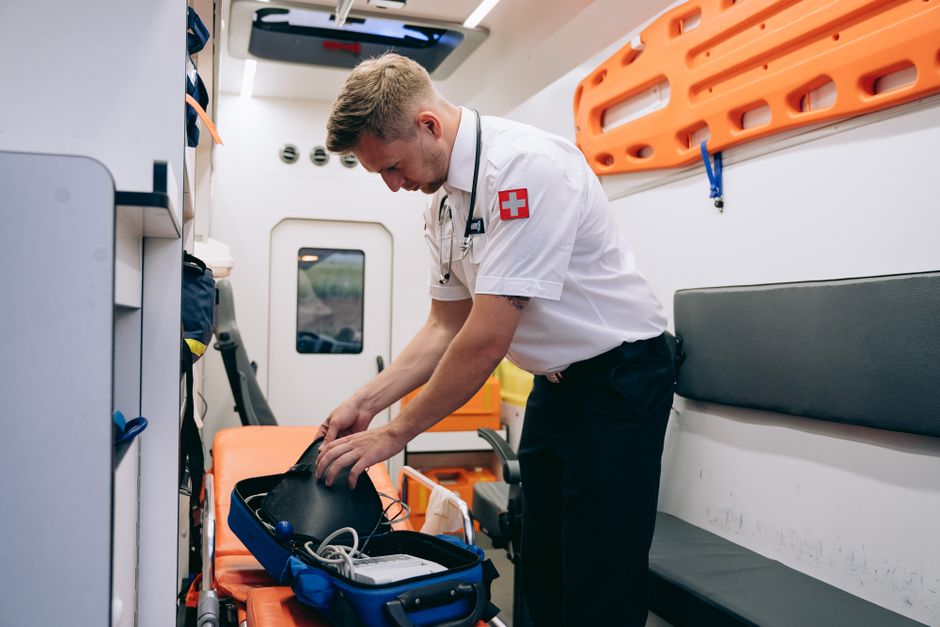
Monitoring and Diagnostic Equipment forms the foundation of any well-equipped non-emergency ambulance. This includes multi-parameter monitors capable of tracking vital signs such as heart rate, blood pressure, oxygen saturation, and respiratory rate. Advanced electrocardiogram (ECG) machines provide continuous cardiac monitoring, while pulse oximeters ensure adequate oxygenation levels throughout transport.
Respiratory support equipment represents another crucial category, featuring portable ventilators, oxygen delivery systems, suction units, and airway management tools. These devices are essential for patients with respiratory complications, those requiring mechanical ventilation, or individuals with compromised airway function.
Mobility and transfer equipment includes specialized stretchers, wheelchair lifts, and patient transfer devices designed to safely move patients with limited mobility. These systems often feature hydraulic or electric mechanisms to minimize physical strain on medical personnel while ensuring patient safety and comfort.
Temperature control systems maintain appropriate environmental conditions for both patients and sensitive medical equipment, while power management systems ensure continuous operation of all electronic devices throughout extended transport periods.
Patient Categories Requiring Specialized Transport
Non-emergency ambulances serve diverse patient populations, each with unique medical requirements and transport considerations. Understanding these categories helps healthcare providers determine appropriate transport solutions and equipment needs.
Chronic Care Patients represent a significant portion of non-emergency transport users. This group includes individuals with conditions such as chronic obstructive pulmonary disease (COPD), heart failure, diabetes complications, and kidney disease requiring regular dialysis treatments. These patients often need continuous monitoring and may require specialized equipment to maintain their condition during transport.
Post-surgical patients frequently require specialized transport when transitioning between healthcare facilities or returning home after procedures. These individuals may have surgical drains, require pain management, or need positioning restrictions that standard vehicles cannot accommodate safely.
Elderly patients with multiple comorbidities often benefit from specialized transport services, particularly when dealing with conditions such as dementia, mobility limitations, or multiple chronic diseases requiring careful monitoring during transport.
Patients requiring inter-facility transfers for specialized treatments, diagnostic procedures, or consultations with specialists rely on non-emergency ambulances equipped to maintain their care continuity during transport.
Advanced Life Support vs. Basic Life Support Configurations
Non-emergency ambulances are typically configured as either Basic Life Support (BLS) or Advanced Life Support (ALS) units, depending on the complexity of care required during transport. Understanding these distinctions is crucial for selecting appropriate transportation services.

Basic Life Support units are staffed by Emergency Medical Technicians (EMTs) and equipped to handle stable patients requiring minimal medical intervention during transport. These vehicles include basic monitoring equipment, oxygen delivery systems, first aid supplies, and mobility assistance devices. BLS units are ideal for routine medical appointments, discharge transportation, and patients with stable chronic conditions.
Advanced Life Support units feature paramedic-level staffing and significantly more sophisticated equipment. These ambulances can administer medications, perform advanced airway management, conduct cardiac interventions, and manage complex medical situations during transport. ALS units are equipped with defibrillators, advanced cardiac monitors, intravenous therapy supplies, and a comprehensive medication inventory.
The choice between BLS and ALS configurations depends on patient acuity, medical stability, required interventions, and physician recommendations. Healthcare providers work closely with transport services to ensure appropriate level of care during patient transfers.
Technology Integration and Communication Systems
Modern non-emergency ambulances incorporate sophisticated technology systems that enhance patient care, improve communication, and streamline operational efficiency. These technological advances have revolutionized medical transportation by providing real-time connectivity and advanced monitoring capabilities.
GPS tracking and navigation systems optimize route planning, reduce transport times, and provide real-time location updates to receiving facilities and family members. These systems also integrate with traffic management data to avoid delays and ensure timely arrivals for scheduled appointments.
Telemedicine capabilities represent a significant advancement in non-emergency transport, allowing real-time consultation with physicians, transmission of vital signs data, and remote medical supervision during transport. This technology is particularly valuable for complex patients requiring specialist oversight during transfers.
Electronic health record integration enables seamless documentation of patient care during transport, ensuring continuity of medical information between healthcare providers. Digital systems also facilitate billing processes and regulatory compliance documentation.
Communication systems include secure radio networks, cellular connectivity, and satellite communications for remote areas. These systems ensure constant contact with dispatch centers, receiving facilities, and medical control physicians.
According to the Centers for Medicare & Medicaid Services, proper documentation and communication systems are essential for reimbursement compliance and quality assurance in medical transportation services.
Regulatory Compliance and Safety Standards
Non-emergency ambulance services operate under strict regulatory oversight designed to ensure patient safety, quality care, and operational compliance. These regulations encompass vehicle specifications, equipment requirements, staffing standards, and operational procedures.
Federal regulations established by the Department of Transportation and the Department of Health and Human Services provide overarching guidelines for medical transport services. State and local regulatory bodies often impose additional requirements specific to their jurisdictions.
Vehicle specifications include structural requirements for patient compartments, electrical systems, climate control, and safety features. Ambulances must meet specific dimensional requirements to accommodate stretchers, wheelchairs, and medical equipment while ensuring adequate working space for medical personnel.
Equipment standards mandate specific medical devices, maintenance schedules, and calibration requirements. Regular inspections ensure all equipment functions properly and meets manufacturer specifications.
Staff certification requirements vary by service level, with BLS units requiring EMT certification and ALS units requiring paramedic licensure. Ongoing education and recertification ensure personnel maintain current skills and knowledge.
The National Highway Traffic Safety Administration provides comprehensive guidelines for ambulance design, construction, and equipment standards that govern non-emergency medical transport vehicles.
Cost Considerations and Insurance Coverage
Understanding the financial aspects of specialized equipment non-emergency ambulance services is crucial for patients, healthcare providers, and insurance administrators. Cost factors include equipment complexity, staffing levels, transport distance, and required medical interventions during transport.
Insurance coverage for non-emergency medical transport varies significantly among providers and policy types. Medicare, Medicaid, and private insurance companies have specific criteria for coverage approval, often requiring physician certification of medical necessity and documentation of patient condition.
Reimbursement models typically consider factors such as patient acuity, equipment requirements, staffing levels, and transport distance. ALS transports generally receive higher reimbursement rates than BLS services due to increased staffing costs and equipment requirements.
Prior authorization requirements are common for non-emergency transport, necessitating advance planning and documentation to ensure coverage approval. Healthcare providers must work closely with transport services and insurance representatives to navigate these requirements effectively.
Alternative funding sources may include state programs, charitable organizations, and patient assistance programs for individuals lacking adequate insurance coverage. These resources help ensure access to necessary medical transportation regardless of financial circumstances.
The Medicare.gov official resource provides detailed information about coverage criteria and requirements for medical transportation services under federal healthcare programs.
Future Developments and Innovations
The non-emergency medical transport industry continues evolving with technological advances, changing healthcare delivery models, and emerging patient needs. Future developments promise enhanced patient care, improved operational efficiency, and expanded service capabilities.
Autonomous vehicle technology may eventually transform medical transportation by reducing staffing costs, improving route efficiency, and providing consistent service availability. However, the complex medical needs of transported patients will likely require human oversight for the foreseeable future.
Artificial intelligence integration offers potential for predictive analytics, automated equipment monitoring, and optimized resource allocation. These technologies could improve patient outcomes while reducing operational costs.
Expanded telemedicine capabilities will likely enhance remote medical supervision, enable real-time specialist consultations, and improve care coordination between transport services and healthcare facilities.
Environmental sustainability initiatives are driving development of hybrid and electric ambulances, reducing carbon footprints while maintaining operational capability. These vehicles may offer quieter operation and reduced emissions, particularly beneficial for frequent users of medical transport services.
The integration of advanced technology, specialized equipment, and highly trained personnel makes non-emergency ambulances essential components of comprehensive healthcare systems, ensuring safe and effective patient transport when traditional vehicles cannot meet medical requirements.
Specialized equipment non-emergency ambulances represent a vital healthcare resource, providing safe, comfortable, and medically supervised transportation for patients with complex needs. These sophisticated vehicles bridge critical gaps in healthcare delivery, ensuring patients can access necessary medical services while maintaining appropriate levels of care during transport. As healthcare systems continue evolving toward more personalized and accessible care models, the role of specialized medical transportation will undoubtedly expand, incorporating new technologies and serving increasingly diverse patient populations. The investment in proper equipment, training, and operational systems for non-emergency ambulance services ultimately contributes to improved patient outcomes, reduced healthcare costs, and enhanced quality of life for individuals requiring specialized medical transport.