
Choosing a dependable wheelchair transport service can be a daunting task. With so many options available, it’s vital to know what to look for to ensure safety, comfort, and efficiency. This guide highlights twelve essential features that make a wheelchair transport service trustworthy and user-friendly.
1. Trained and Compassionate Staff
A reliable service employs staff who are not only trained in safely transporting passengers but also compassionate and understanding of their needs. You want individuals who not only have the required technical skills, but also exude patience and empathy. After all, for many elderly or disabled passengers, the journey can cause anxiety. A kind, reassuring staff member who listens and breaks the tension with a warm smile can make a world of difference. Moreover, ongoing training about best practices and sensitivity towards the diverse challenges faced by those with disabilities ensures that passengers feel genuinely cared for. This level of attention transcends basic service; it nurtures trust, paving the way for respectful interactions.
Additionally, ensuring that the staff is well-versed in emergency protocols is a key aspect of their training. An experienced team can handle unforeseen situations calmly and effectively, giving peace of mind to passengers and their families. Whether it involves navigating traffic safely or responding to a medical issue, well-prepared staff provide a safety net that promotes comfort throughout the journey.
2. Safety Equipment and Protocols
Look for services that prioritize safety by using properly maintained vehicles equipped with necessary safety gear. A reliable wheelchair transport service should have features like wheelchair tie-downs, secure harnesses, and first-aid kits readily available. These essentials aren’t just features; they represent a commitment to passenger safety and well-being. Imagine the peace of mind that comes with knowing all possible precautions have been taken to secure your mobility device and ensure a smooth ride.
Furthermore, regular inspections and maintenance of the vehicles are paramount. A reputable service will adhere to strict quality and safety standards. Inquire about their inspection schedules, as this offers assurance that both the vehicle and its equipment are in optimal condition. It’s essential to gauge how often safety checks are performed; after all, your comfort should never come at the cost of safety.
Another vital aspect to consider is the driver’s understanding of passenger safety during transport. Training in defensive driving techniques, familiarity with local traffic laws, and an awareness of the unique challenges of transporting individuals with disabilities lay the groundwork for a secure ride.
3. Accessible and Comfortable Vehicles
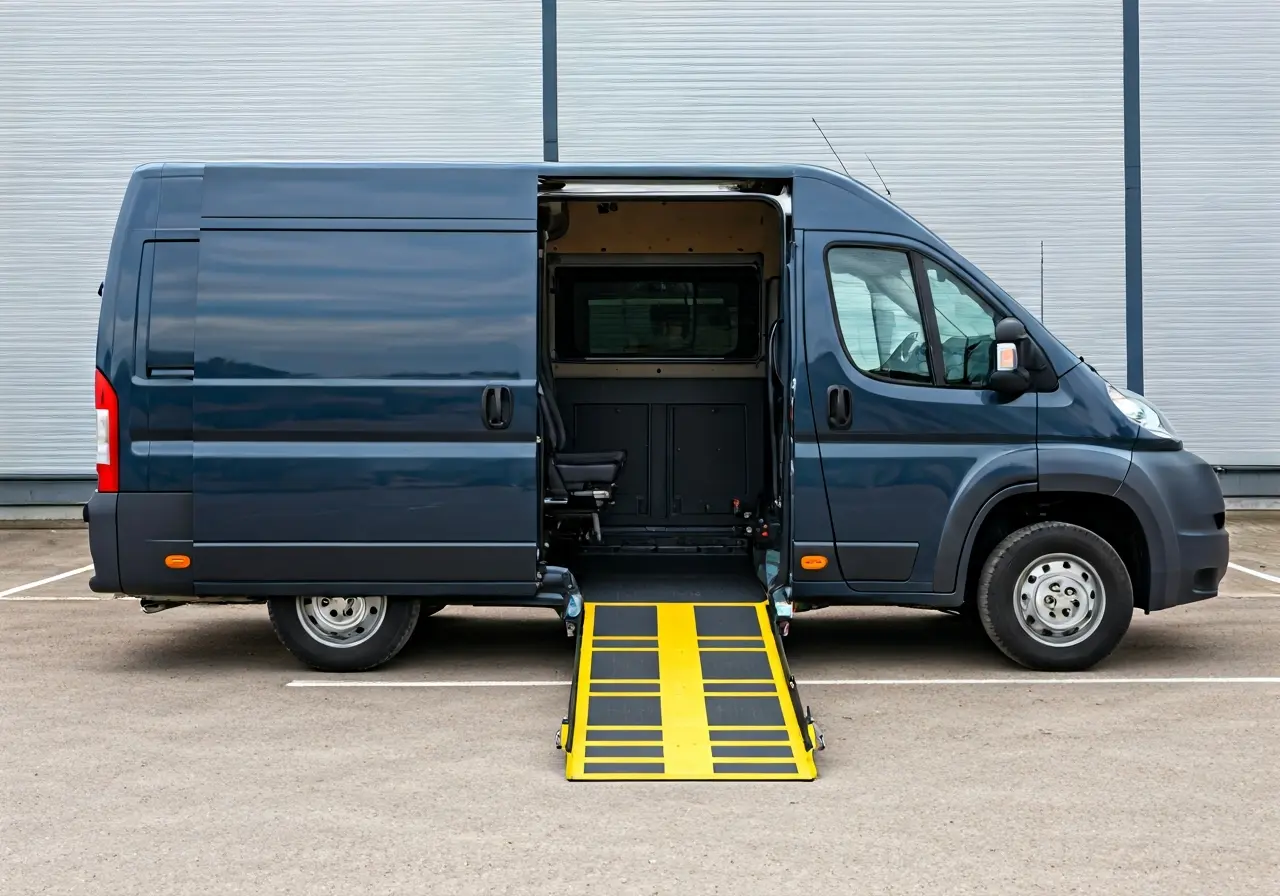
The mode of transport must be wheelchair accessible and provide a comfortable environment during the journey. Features that enhance accessibility include ramps, spacious interiors, and adequate headroom to accommodate scooters and electric wheelchairs. Imagine rolling into a vehicle designed to welcome you just as you are, without the hassle of awkward adjustments or cramped spaces!
Comfort is also about the little things—a smooth ride, temperature control, and cushy seating make a significant difference in the overall experience. Consider requesting details about the types of vehicles used; an ideal service will showcase a fleet equipped with all these features, ensuring you arrive at your destination feeling refreshed rather than fatigued.
4. On-Time Reliability
Punctuality is crucial; you want a service that respects your time and commitments. When scheduling transportation, it’s vital that the service maintains a record of promptness. A reliable service will have a reputation for timeliness; after all, being late can mean missing critical appointments or social engagements.
Inquire about their on-time statistics or ask for references. It’s always smart to trust but verify. A dependable service will often provide past clients willing to share their experience with you. Remember, this isn’t just about efficiency; it’s about respect for your time, which is invaluable.
5. Flexible Scheduling Options
A good service should offer flexible scheduling that accommodates your unique needs, whether it’s last-minute rides or regular appointments. Life can be unpredictable, and it’s important that your transportation doesn’t add additional stress.
Whether you need frequent trips for medical appointments or spontaneous outings, the right transport service will work to meet your timing requirements. Additionally, user-friendly platforms, like smartphone apps or online booking systems, can streamline the scheduling process, thus ensuring you can secure a ride on your terms with just a few clicks.
6. Transparent Pricing Structures
Choose a transport service that provides clear pricing without hidden fees, so you can budget appropriately. Nobody likes unpleasant surprises—especially when it involves finances. An upfront cost ensures trust between you and the service provider, allowing you to plan without anxiety.
Also, consider if they offer different payment options. Flexibility in payment methods, such as accepting credit cards, insurance, or even digital wallets, adds to the overall convenience.
7. Positive Customer Reviews
Researching customer reviews and testimonials can provide valuable insight into the reliability of a service. First-hand experiences from previous passengers offer a realistic view of what to expect. Look for comprehensive feedback that discusses not only the quality of transport but also the professionalism of the staff, the cleanliness of the vehicles, and overall satisfaction.
Social media platforms and review websites are treasure troves of information. Engaging with these platforms allows you to ask questions directly of previous users, garnering firsthand accounts of their experiences with specific wheelchair transport services.
8. Easy Booking Processes
Look for services that offer a user-friendly booking process, whether online or via phone, to make the experience hassle-free. The easier it is to reserve a ride, the less stress you’ll face. Streamlined booking systems with clear menu options can significantly reduce the time and effort needed to secure rides.
Even for tech-savvy individuals, consider whether customer support is readily available for those who may struggle with tech issues. A responsive customer service team that can walk you through the booking process brings an added layer of comfort.
9. Comprehensive Insurance Coverage
Reliable services should carry sufficient insurance to cover passengers in case of accidents or mishaps. Transporting those with mobility challenges demands an extra level of accountability. Checking their insurance policies can provide peace of mind, knowing that your safety and well-being are prioritized.
Also, ensure that they comply with local regulations regarding passenger transport. Providers who operate above board will have the necessary legalities sorted, further reinforcing their commitment to safety.
10. Emergency Response Capability
An excellent transport service has protocols in place to quickly respond to emergencies should they arise during transport. This feature isn’t just about having a first-aid kit; it’s about being prepared for unexpected situations and having staff trained to handle them.
Consider asking how the service trains its personnel to address possible emergencies. A company that prioritizes safety through comprehensive emergency response training underscores its commitment to passenger welfare.
11. Additional Support Services
Some transport services offer additional support like assistance with mobility devices, which can enhance the overall experience. If you require help with getting in and out of the vehicle or managing your wheelchair, look for a service that employs staff trained in these areas.
This degree of assistance can be a game changer, providing the confidence needed to travel independently while ensuring that you are cared for throughout your journey.
12. Commitment to Quality Improvement
A reliable service continuously seeks feedback and strives to improve its quality of service based on client needs. Look for companies that actively request customer input through surveys or follow-up calls, indicating a dedication to meeting your expectations.
In an ever-evolving world, an adaptive service that implements changes based on real user experiences not only fosters growth but also demonstrates respect for its clientele. This creates a win-win situation, where both the provider and the passenger benefit.