
Post-hospital Discharge Ambulance Transport: a Complete Guide
Leaving the hospital after a medical procedure, surgery, or illness is a significant milestone in the recovery process. However, the journey from hospital bed to home requires careful planning, particularly when it comes to transportation. Post-hospital discharge transport is a critical component of patient care that ensures individuals arrive home safely and comfortably while minimizing the risk of complications or readmission.
Understanding your options for medical transportation after discharge can reduce stress, improve recovery outcomes, and provide peace of mind for both patients and their families. This comprehensive guide explores everything you need to know about post-hospital discharge transport, from assessing your needs to selecting the right service.
Understanding Post-Hospital Discharge Transport Needs
Not all patients require the same level of assistance when leaving a hospital. The type of transport needed depends on several factors, including the patient’s medical condition, mobility limitations, medication requirements, and the distance to their destination. Some patients may simply need a ride home, while others require specialized medical transport with trained personnel and equipment.

Medical professionals typically assess a patient’s discharge transport needs before release. This evaluation considers whether the patient can sit upright, requires oxygen support, needs continuous monitoring, or has mobility challenges that necessitate wheelchair or stretcher transport. Patients with complex medical conditions may need ambulance services, while those with moderate needs might benefit from non-emergency medical transport.
It’s essential to communicate openly with your healthcare team about any concerns regarding transportation. They can provide recommendations based on your specific medical situation and help coordinate appropriate services. Family members should also participate in these discussions to understand what will be required and how they can assist in the transition home.
Types of Medical Transportation Services
Several transportation options are available for patients being discharged from hospitals, each designed to meet different levels of medical need and mobility assistance.
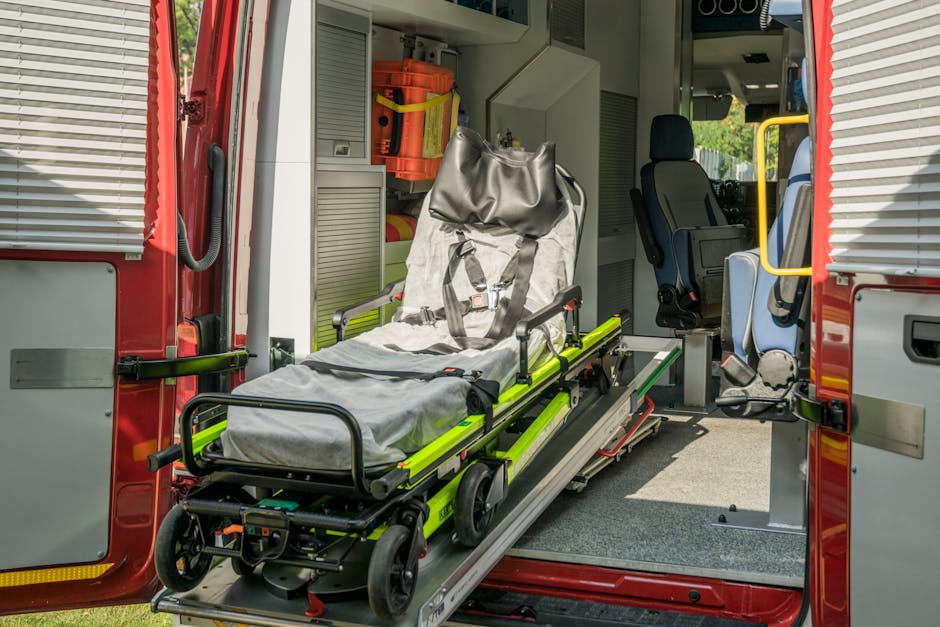
Emergency Medical Services (EMS) and Ambulances :For patients who require continuous medical monitoring, life support equipment, or are critically unstable, emergency ambulance services provide the highest level of care during transport. These vehicles are equipped with advanced medical equipment and staffed by paramedics or emergency medical technicians.
Non-Emergency Medical Transport (NEMT): This service is designed for patients who need medical supervision or assistance but don’t require emergency care. NEMT vehicles are equipped with wheelchairs, stretchers, and basic medical equipment. Trained attendants can assist with mobility, medication administration, and monitoring vital signs during the journey.
Wheelchair Transport Services: Patients who can sit upright but cannot use standard vehicles due to mobility limitations may benefit from wheelchair-accessible vans. These services provide door-to-door assistance and are ideal for individuals recovering from orthopedic procedures or those with temporary mobility restrictions.
Private Vehicle Transport: Many patients can safely travel home in a family member’s or friend’s vehicle, provided they can sit comfortably and don’t require medical monitoring. This option is typically suitable for patients undergoing outpatient procedures or those with uncomplicated recoveries.
Planning for Safe Discharge Transport
Proper planning is crucial for ensuring a smooth transition from hospital to home. Begin by discussing transportation arrangements with your discharge planning team at least 24 to 48 hours before your expected release date. This advance notice allows time to coordinate services, especially if specialized medical transport is required.

Verify your insurance coverage for medical transportation services. Medicare, Medicaid, and many private insurance plans cover medically necessary transport, but requirements and limitations vary. Obtain pre-authorization if required by your insurance provider to avoid unexpected costs. Keep all documentation related to your transportation needs, including physician orders and medical justification.
Prepare your home environment before discharge. Ensure that pathways are clear of obstacles, arrange for any necessary medical equipment to be delivered, and stock essential supplies. If you’ll be using mobility aids, verify that doorways are accessible and that you have a clear path from the vehicle to your resting area.
Create a comfort kit for the journey home. Include any prescribed medications, medical documents, comfortable clothing, blankets, and items that might help manage nausea or discomfort during travel. Having these essentials readily available can make the transport experience more pleasant and reduce stress.
Special Considerations for Different Patient Populations
Certain patient groups require additional considerations when arranging post-hospital discharge transport. Elderly patients often face unique challenges, including increased fall risk, cognitive impairment, and multiple chronic conditions. They may benefit from transportation services that provide extra assistance with boarding, securing mobility devices, and ensuring they’re safely settled at home.
Pediatric patients need age-appropriate transport solutions. Children may require specialized car seats or restraint systems, and having a parent or guardian present during transport is typically essential for comfort and safety. Transportation providers should be experienced in working with children and understand their unique medical and emotional needs.
Patients with behavioral health conditions may require transport services with staff trained in de-escalation techniques and mental health first aid. A calm, supportive environment during transport can significantly impact the patient’s transition and ongoing recovery.
Bariatric patients need vehicles equipped to safely accommodate their size and weight, along with specialized equipment and trained personnel who understand proper transfer techniques and safety protocols.
Ensuring Continuity of Care During Transport
The period between hospital discharge and arrival home represents a vulnerable time in the recovery process. Maintaining continuity of care during transport helps prevent complications and supports positive health outcomes. Healthcare providers should supply clear discharge instructions, medication schedules, and emergency contact information that accompanies the patient during transport.
Transportation personnel should receive a brief medical handoff that includes relevant health information, mobility limitations, fall risk assessment, and any special precautions. This communication ensures that transport staff can respond appropriately to the patient’s needs and recognize potential warning signs of complications.
Patients should understand their post-discharge care plan before leaving the hospital. This includes knowing when to take medications, recognizing symptoms that require immediate medical attention, and understanding follow-up appointment schedules. According to the CDC’s physical activity guidelines, gradually resuming appropriate physical activity under medical supervision is an important part of recovery for many patients.
Cost Considerations and Financial Planning
The cost of post-hospital discharge transport varies significantly based on the level of service required, distance traveled, and geographic location. Emergency ambulance services typically represent the most expensive option, with costs ranging from several hundred to several thousand dollars depending on the services provided and mileage.
Non-emergency medical transport generally costs less than ambulance services but more than standard transportation. Many insurance plans cover medically necessary transport when ordered by a physician and deemed appropriate for the patient’s condition. Always verify coverage details with your insurance provider and understand any copayments, deductibles, or out-of-pocket expenses you may incur.
For patients without insurance coverage or those facing high out-of-pocket costs, community resources may be available. Some hospitals offer transportation assistance programs, and local nonprofit organizations may provide volunteer driver services for medical appointments and hospital discharge. Social workers and discharge planners can help identify these resources and assist with applications if needed.
Conclusion
Post-hospital discharge transport is a vital element of patient care that bridges the gap between hospital treatment and home recovery. By understanding your transportation options, planning ahead, and communicating effectively with healthcare providers and transport services, you can ensure a safe, comfortable journey home. Whether you require emergency medical transport or simply need assistance getting to your front door, appropriate discharge transportation supports your recovery and helps prevent complications or readmission.
Remember that the goal of discharge transport extends beyond simply moving from point A to point B—it’s about continuing your care in a manner that supports healing, maintains dignity, and sets the foundation for successful recovery at home. Taking the time to arrange appropriate transport services demonstrates a commitment to your health and well-being during this critical transition period.