
Medical Transportation for Elderly Patients
As our population ages, the need for reliable medical transportation services has become increasingly important. For elderly individuals who require regular medical care, transportation can pose significant challenges. Whether dealing with mobility issues, chronic conditions, or the simple inability to drive, seniors often struggle to access the healthcare services they need. Understanding the available options and how to navigate medical transportation systems is essential for caregivers, family members, and elderly patients themselves.
Medical transportation serves as a critical lifeline for seniors who need to attend doctor’s appointments, physical therapy sessions, dialysis treatments, or other medical services. Without proper transportation, elderly patients may miss vital appointments, leading to deteriorating health conditions and potentially more serious medical complications. This comprehensive guide explores the various transportation options available, how to choose the right service, and what to consider when arranging medical transport for elderly loved ones.
Understanding Medical Transportation Needs
Medical transportation for the elderly encompasses a wide range of services designed to meet different levels of need. Some seniors simply require a ride to their doctor’s office, while others need specialized vehicles equipped with wheelchair lifts or medical equipment. The type of transportation required often depends on the individual’s physical condition, mobility limitations, and medical requirements.

Non-emergency medical transportation (NEMT) represents the most common form of service for elderly patients. This includes scheduled trips to routine appointments, preventive care visits, and ongoing treatment sessions. Unlike emergency ambulance services, NEMT operates on a planned basis and provides door-to-door or door-through-door assistance for patients who cannot use standard transportation methods.
Elderly patients with chronic conditions often benefit from consistent transportation arrangements. Regular access to medical care helps manage conditions such as diabetes, heart disease, and arthritis more effectively. According to healthcare professionals, maintaining regular appointments and following through with prescribed treatments significantly improves health outcomes for senior patients.
Types of Medical Transportation Services
Several transportation options exist to meet the diverse needs of elderly patients. Ambulatory transportation services cater to seniors who can walk independently or with minimal assistance. These services typically use standard vehicles or wheelchair-accessible vans, providing safe and comfortable transport to medical facilities.
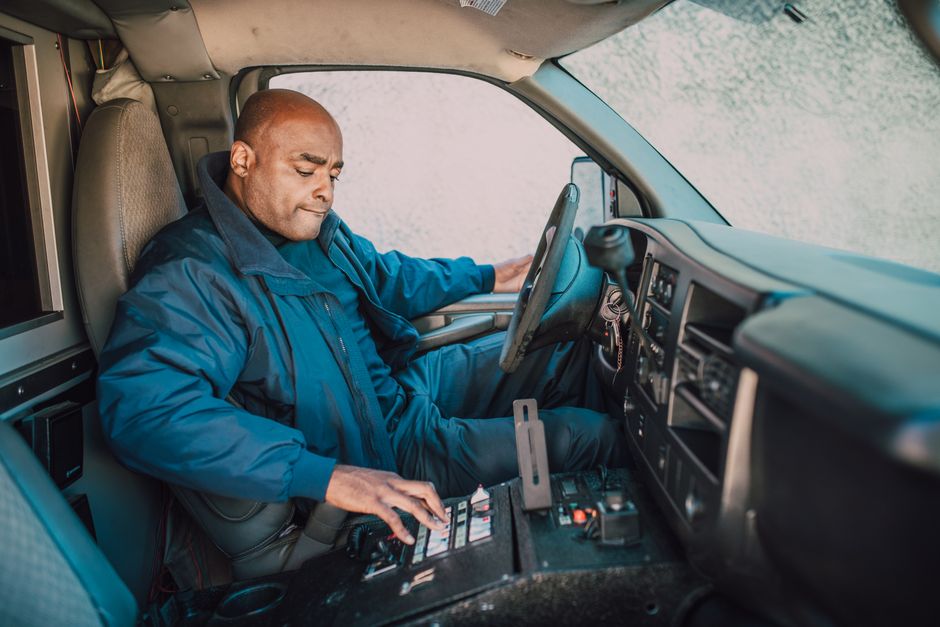
Wheelchair transportation services accommodate patients who use wheelchairs or have significant mobility limitations. These specially equipped vehicles feature ramps or hydraulic lifts, securing wheelchairs safely during transit. Trained drivers assist with boarding and exiting, ensuring patient safety throughout the journey.
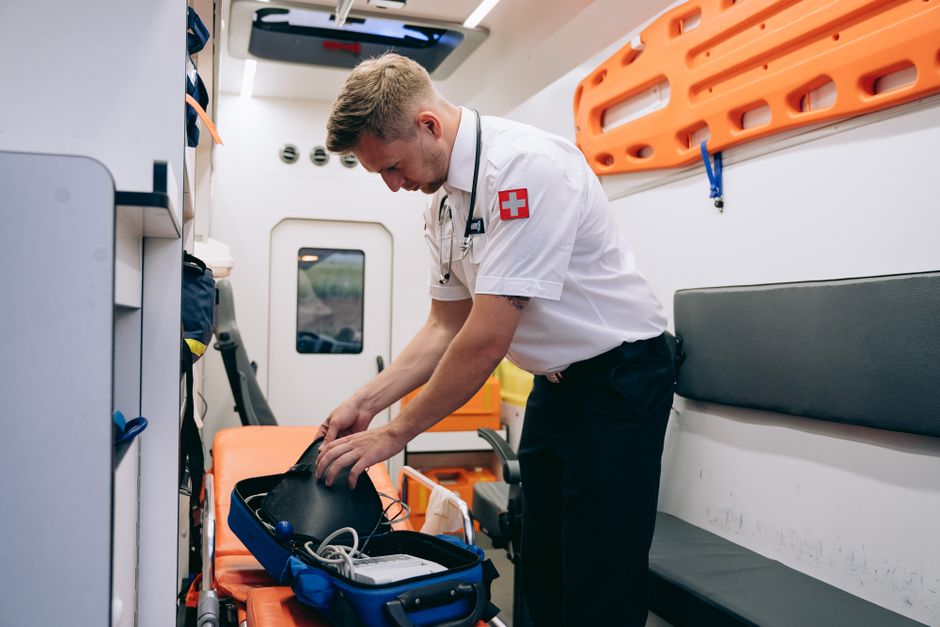
Stretcher transportation serves bedridden patients or those unable to sit upright during transport. These services use ambulances or specially designed vehicles with medical equipment to monitor vital signs and provide care during transit. Medical personnel often accompany patients requiring this level of service.
Volunteer driver programs, offered by many community organizations and senior centers, provide free or low-cost transportation for elderly individuals. These programs connect volunteer drivers with seniors needing rides to medical appointments, though availability may be limited and scheduling requires advance notice.
Coverage and Payment Options
Understanding payment options for medical transportation helps families plan financially for ongoing healthcare needs. Medicare provides limited coverage for medical transportation under specific circumstances. Generally, Medicare Part B covers ambulance services when other transportation could endanger the patient’s health. However, routine medical transportation typically falls outside Medicare’s standard coverage.
Medicaid offers more comprehensive non-emergency medical transportation benefits in most states. Eligible seniors can access transportation to covered medical services, including doctor visits, dental appointments, and therapy sessions. Coverage details vary by state, so verifying specific benefits with local Medicaid offices is important.
Private insurance plans may include transportation benefits, particularly Medicare Advantage plans. Some plans offer routine transportation to medical appointments as an added benefit. Reviewing policy documents or contacting insurance providers directly clarifies available transportation coverage.
Private pay options allow families to arrange transportation services directly with providers. While more expensive than subsidized programs, private services often offer greater flexibility in scheduling and may provide additional assistance beyond basic transportation.
Safety Considerations and Quality Standards
Ensuring safety during medical transport requires careful attention to several factors. Reputable transportation providers maintain proper licensing, insurance, and certification required by state and federal regulations. Vehicles undergo regular inspections and maintenance to meet safety standards.
Driver training and qualifications significantly impact service quality. Professional medical transportation drivers receive specialized training in patient care, wheelchair securement, and emergency response procedures. Many companies conduct background checks and require drivers to maintain clean driving records.
Vehicle equipment and accessibility features vary among providers. Quality services maintain clean, well-equipped vehicles with proper safety restraints, temperature control, and comfortable seating. Wheelchair-accessible vehicles should have functioning lifts or ramps and adequate securement systems.
Communication systems enable drivers to maintain contact with dispatch centers and emergency services. GPS tracking allows family members and medical facilities to monitor transport progress and estimated arrival times, providing peace of mind and facilitating coordination with healthcare providers.
Choosing the Right Transportation Service
Selecting appropriate medical transportation involves evaluating several key factors. Assessing the patient’s specific needs comes first—considering mobility level, medical equipment requirements, and any special accommodations needed during transport. This assessment guides the selection of suitable service types.
Researching local providers helps identify reputable companies with positive track records. Reading online reviews, requesting references, and checking with local aging agencies provides valuable insights into provider reliability and service quality. Many communities maintain lists of approved transportation providers through Area Agencies on Aging.
Cost comparison among different providers and service types helps families make informed financial decisions. Obtaining detailed pricing information, including any additional fees for waiting time or extra assistance, prevents unexpected expenses. Some providers offer package deals or subscription plans for patients requiring regular transportation.
Scheduling flexibility and availability determine whether a service can accommodate the patient’s appointment schedule. Some providers operate during limited hours or require extensive advance notice, while others offer more flexible scheduling options. Understanding booking procedures and cancellation policies prevents complications and missed appointments.
The Role of Physical Activity and Independence
While medical transportation addresses mobility challenges, maintaining physical activity remains important for elderly health. The CDC’s physical activity guidelines emphasize that regular movement benefits seniors by improving strength, balance, and overall health. Transportation services that encourage maintained independence while providing necessary support help elderly patients remain as active as their conditions allow.
Healthcare providers often recommend combining medical transportation with efforts to preserve mobility and function. Physical therapy appointments, facilitated by reliable transportation, help seniors maintain strength and potentially reduce future transportation needs. The NHS provides exercise guidance specifically designed for older adults, highlighting activities that support continued mobility.
Professional organizations like the American College of Sports Medicine research and promote evidence-based approaches to senior fitness and health maintenance. Their work underscores the connection between accessible healthcare, including reliable transportation, and positive health outcomes for aging populations.
Conclusion
Medical transportation for elderly patients represents an essential component of comprehensive healthcare access. As seniors face increasing mobility challenges, having reliable transportation options ensures they receive necessary medical care without interruption. From basic ambulatory services to specialized stretcher transport, various options accommodate different needs and circumstances.
Families and caregivers should carefully evaluate available services, considering factors such as safety standards, cost, coverage options, and the specific needs of their elderly loved ones. By understanding the landscape of medical transportation services and planning proactively, families can ensure seniors maintain access to vital healthcare services while preserving dignity and independence. Investing time in researching providers, understanding insurance coverage, and establishing reliable transportation arrangements ultimately contributes to better health outcomes and improved quality of life for elderly patients.