
Ambulette: Comprehensive Guide to Medical Transportation Services
What is an Ambulette and How Does It Differ from Traditional Ambulances?
An ambulette is a specialized medical transportation vehicle designed to transport patients who require medical supervision during transit but do not need emergency care. Unlike traditional emergency ambulances equipped with advanced life support systems, ambulettes focus on providing safe, comfortable transportation for individuals with mobility limitations, chronic conditions, or those requiring scheduled medical appointments.
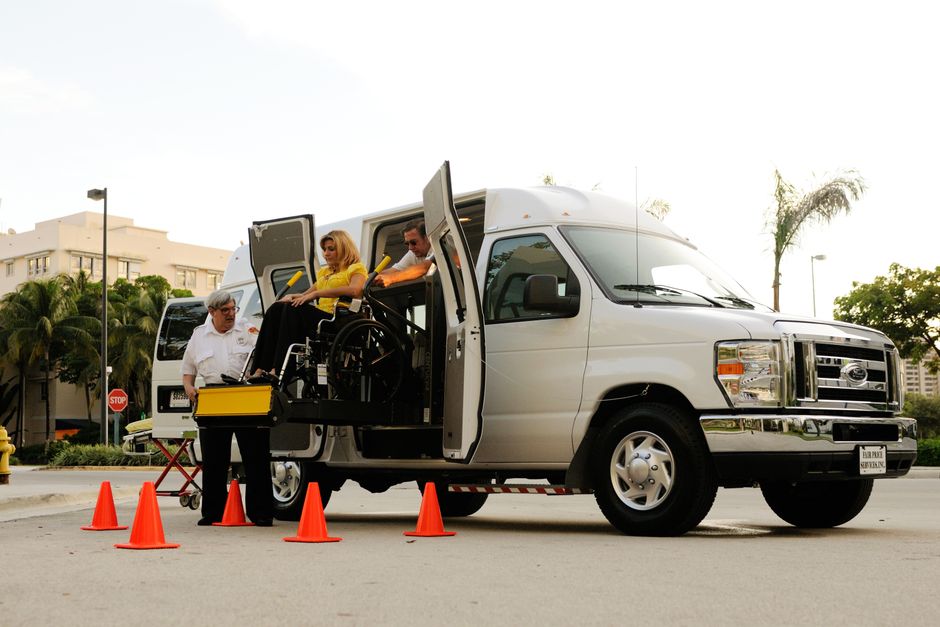
These vehicles bridge the gap between regular transportation and emergency medical services, offering a vital service for patients who cannot use standard vehicles due to their medical conditions. Ambulettes are typically equipped with wheelchair accessibility features, basic medical monitoring equipment, and staffed by trained medical personnel such as EMTs or certified medical assistants.
The key distinction lies in their purpose: while ambulances respond to emergencies and provide critical care during transport, ambulettes serve scheduled, non-emergency medical transportation needs. This includes dialysis appointments, cancer treatments, physical therapy sessions, and routine medical check-ups for patients with limited mobility.
Types of Ambulette Services Available in 2026
The ambulette industry has evolved significantly, offering various service levels to meet diverse patient needs:

- Basic Life Support (BLS) Ambulettes: Equipped with basic medical equipment and staffed by EMT-certified personnel for patients requiring minimal medical supervision
- Wheelchair Accessible Vehicles: Specialized for patients who use wheelchairs but don’t require medical monitoring during transport
- Bariatric Ambulettes: Designed for patients with obesity-related mobility challenges, featuring reinforced equipment and wider access points
- Pediatric Ambulettes: Customized for children with special medical needs, including specialized restraint systems and child-friendly environments
- Long-Distance Medical Transport: For inter-facility transfers or medical tourism, equipped for extended journey comfort
Advanced ambulette services now incorporate telemedicine capabilities, allowing real-time consultation with healthcare providers during transport. This technological integration ensures continuity of care and provides additional peace of mind for patients and families.
Who Benefits from Ambulette Services?
Ambulette services serve a diverse population of individuals who face transportation challenges related to their health conditions. The primary beneficiaries include:

Elderly patients represent the largest user group, particularly those with mobility impairments, chronic conditions, or cognitive disorders that make independent transportation unsafe. These individuals often require regular medical appointments for conditions such as diabetes management, cardiovascular monitoring, or orthopedic care.
Patients undergoing ongoing medical treatments such as dialysis, chemotherapy, or radiation therapy benefit significantly from ambulette services. These treatments often leave patients weak or temporarily incapacitated, making standard transportation inappropriate or dangerous.
According to the National Association for Medical Transportation, over 3.6 million Americans annually require medical transportation services beyond emergency ambulance care, highlighting the critical need for ambulette services in healthcare delivery.
Individuals with permanent disabilities, including spinal cord injuries, cerebral palsy, or muscular dystrophy, rely on ambulette services for safe transportation to medical appointments, therapeutic services, and social activities that contribute to their overall well-being.
Cost Factors and Insurance Coverage for Ambulette Transportation
Understanding the financial aspects of ambulette services is crucial for patients and families planning medical transportation. Costs vary significantly based on several factors:
- Distance traveled: Most services charge per mile or offer flat rates for specific geographic zones
- Level of medical supervision required: BLS services cost more than basic wheelchair transportation
- Wait times: Extended appointments may incur additional charges for vehicle standby time
- Geographic location: Urban areas typically offer more competitive pricing than rural regions
- Time of service: After-hours and weekend transportation often carry premium rates
Insurance coverage for ambulette services has improved substantially, with Medicare covering medically necessary transportation when specific criteria are met. Medicaid programs in most states provide comprehensive coverage for eligible individuals, recognizing ambulette transportation as essential healthcare access.
Private insurance plans increasingly include medical transportation benefits, particularly for chronic condition management and post-acute care transitions. Patients should verify coverage details with their insurance providers and understand prior authorization requirements to avoid unexpected costs.
How to Choose the Right Ambulette Service Provider
Selecting an appropriate ambulette service requires careful consideration of multiple factors to ensure safety, reliability, and cost-effectiveness. Begin by verifying the provider’s licensing and accreditation status through state health departments and national accrediting organizations.
Evaluate the qualifications of medical personnel accompanying patients during transport. Reputable providers employ certified EMTs, paramedics, or medical assistants with ongoing training in patient care and medical transportation protocols.
Consider the provider’s fleet condition and equipment standards. Modern ambulettes should feature:
- Properly maintained vehicles with current safety inspections
- Appropriate medical equipment for patient monitoring
- Communication systems for emergency contact capabilities
- Compliance with Americans with Disabilities Act accessibility requirements
- Regular sanitization protocols, especially important post-pandemic
Research the company’s reputation through online reviews, healthcare provider recommendations, and state regulatory agency records. Reliable providers maintain transparent pricing structures, clear policies regarding cancellations and delays, and responsive customer service.
Response time reliability is crucial for scheduled medical appointments. Choose providers with proven track records of punctuality and contingency plans for vehicle breakdowns or staff emergencies.
The Future of Ambulette Services and Emerging Trends
The ambulette industry continues evolving to meet changing healthcare delivery models and patient expectations. Technological integration plays an increasingly important role, with GPS tracking systems providing real-time location updates to patients and healthcare facilities.
Telehealth integration within ambulette services enables remote monitoring and consultation during transport, particularly valuable for patients with complex medical conditions requiring continuous oversight. This technology reduces the need for medical personnel accompaniment in certain cases while maintaining safety standards.
Electric and hybrid ambulette vehicles are becoming more prevalent, reflecting environmental consciousness and operational cost reduction initiatives. These vehicles offer quieter operation and reduced emissions while maintaining the reliability essential for medical transportation.
The industry is also seeing increased collaboration with healthcare systems, creating integrated care coordination platforms that streamline appointment scheduling, transportation booking, and medical record sharing between providers and ambulette services.
Conclusion
Ambulette services represent a critical component of the modern healthcare transportation ecosystem, providing essential mobility solutions for individuals who cannot safely use conventional transportation methods. As healthcare delivery continues evolving toward patient-centered, community-based care models, the importance of reliable medical transportation services will only increase.
Understanding the various types of ambulette services, coverage options, and selection criteria empowers patients and families to make informed decisions about their medical transportation needs. With continued technological advancement and improved insurance coverage, ambulette services are becoming more accessible and efficient, ensuring that medical conditions do not prevent individuals from receiving necessary healthcare.
For healthcare providers and medical institutions, partnering with reputable ambulette services enhances patient care continuity and access, ultimately supporting better health outcomes for vulnerable populations requiring specialized transportation assistance.